Top 10 Tips on How to Store Vape Cartridges Safely

Time:2026-10-13 Author:Amelia
0%

Knowing how to store vape cartridges safely matters more than many users expect. Heat, sunlight, moisture, and careless handling can affect cartridge condition. A warm car dashboard may soften seals, change liquid consistency, or encourage leakage. Small details can create larger problems.

This guide presents ten practical storage tips for legally purchased, manufacturer-approved vape cartridges. It focuses on everyday safety, product quality, and responsible household storage. You will learn why a cool, dry, shaded location works best. You will also see why original packaging, upright positioning, and secure child-resistant storage deserve attention. Children and pets should never have access to these products. Keep them away from food, medicine, and household chemicals. Follow the product label and local safety requirements.

Storage habits are not always perfect. A cartridge may still leak, even inside its package. Inspect it before use, and discard damaged or contaminated items according to local guidance. Do not use a cartridge with cracked plastic, unusual odor, or visible residue. Avoid improvising with kitchen drawers near ovens or windows exposed to afternoon sun. A locked cabinet is usually more reliable. So is a quick check before travel.

The recommendations reflect common manufacturer guidance and basic consumer-safety principles. However, product designs differ, so the label remains the most specific authority. This article also encourages realistic judgment rather than overconfidence. Safe storage is simple, but it requires consistency. Ten clear habits can make that consistency easier.
Top 10 Tips on How to Store Vape Cartridges Safely

Understanding Vape Cartridge Storage Risks

Understanding Vape Cartridge Storage Risks

Vape cartridges can deteriorate when stored in heat, sunlight, or damp conditions. A warm car is risky. High temperatures may thin the liquid, weaken seals, and increase leakage. Direct sunlight can also affect the cartridge’s materials and contents. Keep cartridges in a cool, dry, shaded place, ideally inside their original protective packaging.

Position matters. Store cartridges upright, not loose in a pocket or crowded drawer. Pressure from keys or other objects can crack the mouthpiece or housing. Check for cloudy liquid, unusual odor, cracks, sticky residue, or a loose seal before use. Do not use damaged cartridges. Small leaks can reach skin, clothing, or household surfaces.

Keep cartridges away from children, pets, food, and cleaning products. A locked container adds practical protection, especially in busy homes. Avoid extreme cold, too. Condensation may appear when a chilled cartridge returns to room temperature. Let it warm naturally before inspection. Storage advice is not perfect; people often remember temperature but forget physical damage. That mistake is easy to make. Follow the product’s instructions and local disposal requirements, since rules differ by location.

Choosing a Suitable Storage Location

Choosing a suitable storage location starts with temperature control. Keep legally purchased vape cartridges in a cool, dry, dark place. A steady indoor cabinet works better than a windowsill. Sunlight can warm the liquid and weaken seals over time. Avoid bathrooms, kitchens, and laundry areas. Steam and sudden heat changes encourage moisture and material wear. Never leave cartridges in a parked vehicle. Temperatures inside cars can rise quickly, even on mild days. A drawer away from heaters is usually safer. Keep the container out of reach and sight of children and pets. It should also be inaccessible to anyone who might mistake it for ordinary candy or cosmetics.

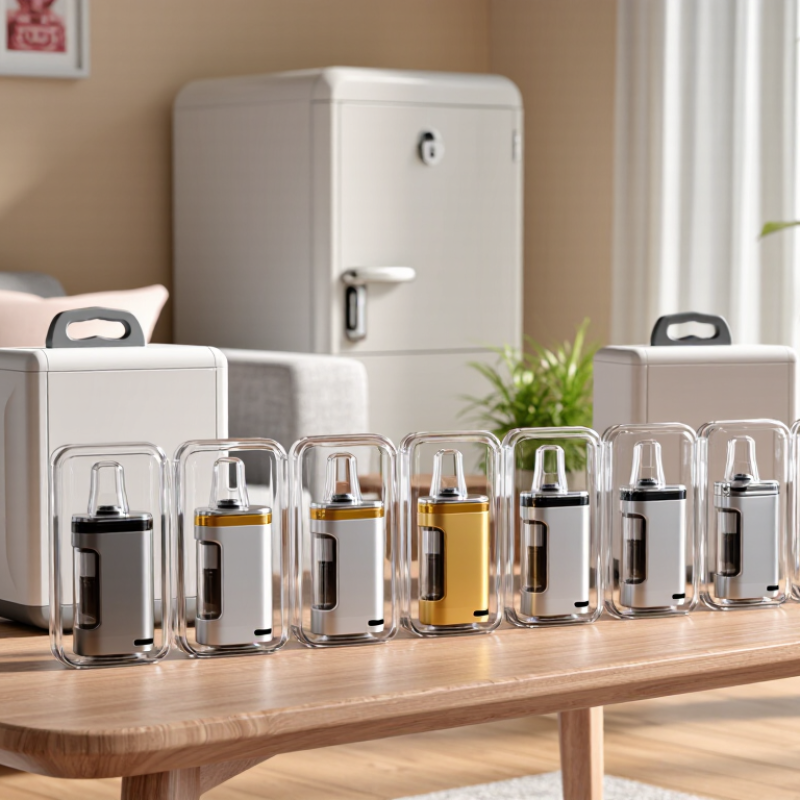
Use the original sealed packaging when possible. Store each cartridge upright, with the mouthpiece facing upward. This helps reduce leakage around the connection points. Do not place it beside food, medicines, cleaning products, or loose metal objects. A small, labeled container can prevent crushing and accidental contact. Yet labels can fade, so I would check them periodically. That habit is easy to forget. I once assumed a dark drawer was cool enough, but it sat beside a radiator. A simple hand check is not precise; a room thermometer gives better evidence. Inspect the cartridge before use. If it is cracked, leaking, swollen, or smells unusual, do not use it. Follow local disposal guidance rather than placing damaged items in household rubbish.

Protecting Cartridges from Heat, Light, and Moisture

Top 10 Tips on How to Store Vape Cartridges Safely

Protecting Cartridges from Heat, Light, and Moisture

Store vape cartridges in a cool, dry cabinet away from windows. Direct sunlight can warm the liquid and weaken seals over time. Avoid cars, glove compartments, radiators, and other hot places. Temperatures inside parked vehicles can change quickly. That is risky. Keep cartridges upright to reduce pressure around the mouthpiece and prevent possible leaks. Use their original protective packaging when available. It can block light and reduce contact with dust.

Moisture also matters. Do not store cartridges in bathrooms, damp basements, or near kitchen sinks. A sealed container with a small moisture absorber may help in humid areas. Keep the container clean and dry. Refrigeration may seem sensible, but cold storage can create condensation when cartridges return to room temperature. I once underestimated that detail. It is easy to focus on heat and forget water vapor. Never freeze them. Keep cartridges away from children, pets, food, and cleaning chemicals. Store only products purchased through lawful, regulated channels, and follow the storage instructions provided with the product.

Check each cartridge before use. Look for cracks, unusual cloudiness, damaged packaging, or leakage. Do not use a damaged cartridge. Wipe the exterior with a dry cloth, not liquid cleaners. Label older cartridges with the purchase date, then inspect them regularly. Storage habits are not perfect every time. A quick monthly check can catch problems before they become inconvenient or unsafe.

Preventing Leaks, Damage, and Accidental Access

Top 10 Tips on How to Store Vape Cartridges Safely

Safe storage starts with controlling heat, movement, and access. The U.S. Fire Administration links lithium-ion battery incidents to overheating, damage, and improper charging. NFPA reported about 8,300 residential fires involving lithium-ion batteries from 2013 to 2017. Cartridges need protection too.

Tips: 1. Keep cartridges upright to reduce leaks. 2. Store them in a cool, dry drawer. 3. Avoid cars, windowsills, and direct sunlight. 4. Use the original sealed packaging when possible. 5. Keep them away from keys and sharp objects. 6. Inspect seals before storage. 7. Wipe moisture from the exterior. 8. Never store damaged or swollen devices nearby. 9. Keep cartridges away from children and pets. 10. Use a locked container when accidental access is possible.

Small details matter. A loose cartridge rolling inside a hot glove compartment can develop pressure, soften its seal, or contaminate nearby items. The U.S. Consumer Product Safety Commission advises keeping lithium-ion products away from extreme temperatures and damaged components. That guidance should also shape cartridge storage habits. Do not rely on appearance alone. A clear leak may be easy to miss. A faint sweet smell is not proof of safety. Store cartridges separately from batteries, chargers, food, and medicines. A child-resistant container adds protection, but it is not perfect. Check the container regularly. Replace cracked cases, loose caps, or leaking cartridges according to local disposal guidance.

Checking Cartridge Condition Before Use

Before using any vape cartridge, inspect it under bright light and handle it with clean, dry hands. Look for cracks, cloudy liquid, dark discoloration, loose fittings, or sticky residue around the mouthpiece. A faint seam may look harmless. It may not be.

Do not use a cartridge that leaks, smells unusually sharp, or feels hot before activation. Check that the mouthpiece is secure and the connection area is clean. Never test an unknown liquid by tasting it.

The U.S. Fire Administration reported 195 electronic-cigarette fire or explosion incidents from 2009 to 2016, with 133 acute injuries. That historical report focused mainly on batteries, but it shows why visible damage deserves attention. The National Fire Protection Association also advises protecting lithium-ion devices from heat, crushing, and damaged components.

Keep cartridges away from direct sunlight, hot vehicles, and loose metal objects. Follow the storage and replacement instructions supplied with the device. A cartridge with a broken seal, swollen body, or persistent leakage should be isolated and discarded according to local waste guidance.

Do not force it into a device.

Do not repair it.

Inspection is not always perfect. Small internal damage can escape a visual check, especially after a drop or prolonged heat exposure.

When the condition feels uncertain, replacing the cartridge is the more reliable choice. Safety agencies cannot inspect every product or storage environment, so careful handling remains part of responsible use.

FAQS

Where should vape cartridges be stored?

Keep them upright in a cool, dry, dark cabinet. A drawer away from heaters works well.

Why should cartridges stay away from heat and sunlight?

Heat may thin the liquid, weaken seals, and increase leakage. Sunlight can warm the cartridge and affect its materials.

Is a parked vehicle suitable for cartridge storage?

No. Temperatures inside a parked vehicle can rise quickly, even on mild days. That risk is easy to underestimate.

How can moisture damage stored cartridges?

Steam and damp air may encourage material wear. Avoid bathrooms, sinks, laundry areas, and damp basements.

Should cartridges be refrigerated?

Usually, no. Cold storage can create condensation when the cartridge returns to room temperature. Never freeze it.

What packaging helps protect cartridges?

Use the original protective packaging when available. It can reduce light exposure, dust, and accidental crushing.

What signs show that a cartridge should not be used?

Check for cracks, leaks, swelling, unusual cloudiness, odors, or sticky residue. Do not use damaged cartridges.

How can households reduce accidental contact?

Keep cartridges away from children, pets, food, and cleaning products. A locked, labeled container adds practical protection.

How often should stored cartridges be inspected?

Check them monthly and before use. Labels can fade, and storage conditions may change without notice.

What should happen to a damaged cartridge?

Keep it away from skin and household surfaces. Follow local disposal requirements instead of placing it in ordinary rubbish.

Conclusion

Learning how to store vape cartridges safely helps preserve their condition and reduce common risks. Store cartridges in a cool, dry, and shaded place away from direct sunlight, heaters, hot vehicles, and excessive humidity. Keep them upright in a stable container to reduce the chance of leaking, cracking, or accidental damage. The storage area should also be inaccessible to children and pets, and cartridges should remain in their original protective packaging whenever possible.

Before use, carefully check each cartridge for cracks, dents, loose components, unusual odors, discoloration, or signs of leakage. Do not use a cartridge that appears damaged or contaminated. Avoid exposing cartridges to extreme temperature changes, water, or pressure, and handle them gently when transporting or storing them. Regularly reviewing their condition and keeping the storage area organized can help prevent accidents while supporting safer, more reliable use.

Amelia

Amelia

Amelia is a seasoned marketing professional with a wealth of expertise in our company’s core offerings. With an unwavering passion for driving growth and innovation, she plays a pivotal role in shaping our marketing strategies and enhancing brand visibility. A key aspect of her responsibilities......