Vape cartridges look simple, but their designs differ greatly in 2026. Common options include prefilled cartridges, refillable 510-thread tanks, pod cartridges, ceramic-coil models, and cotton-wick designs. Each type handles heat, liquid, and cleaning differently. A clear glass chamber may reveal darkened liquid or residue. That small detail can signal a problem.
The practical question is, can you reuse vape cartridges? Sometimes, but only when the cartridge is specifically labeled refillable. Prefilled cartridges are usually designed for one filling cycle. Opening them can cause leaks, damaged seals, poor airflow, or contamination. Reusing a coil after burnt flavor appears is also unreliable. It may taste harsh and produce uneven vapor. Not ideal.
Safety comes before convenience. Follow the manufacturer’s instructions, use compatible products, and inspect the mouthpiece, seal, and connection before use. Stop using any cartridge that cracks, leaks, overheats, or produces an unusual smell. Keep liquid away from children and pets. Store devices upright and away from direct sunlight.
This guide compares cartridge types through a practical, evidence-aware lens. It considers materials, coil construction, refill limits, cleaning concerns, and battery compatibility. Public-health guidance and manufacturer warnings remain more dependable than online shortcuts. Some advice may seem obvious. It is still worth checking.
The honest answer is not universal. A cartridge’s design decides much of its reuse potential. Local product rules and labeling also matter. When instructions are missing, replacing the cartridge is usually the more cautious choice.
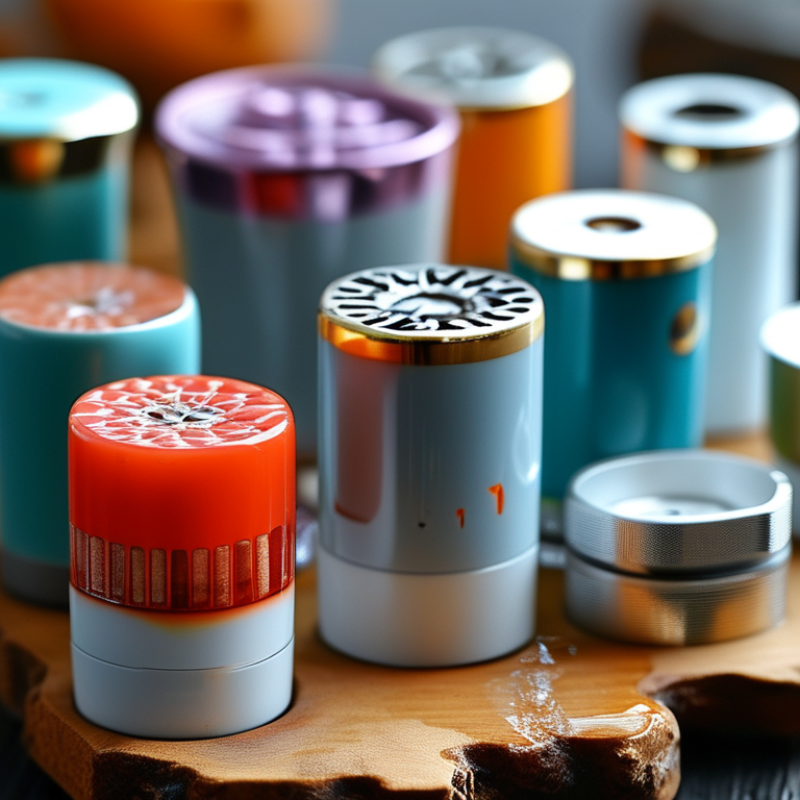
In 2026, vape cartridges mainly fall into three groups: prefilled, refillable, and pod-style cartridges. Prefilled cartridges arrive sealed with a regulated e-liquid and are designed for limited use. Refillable cartridges use a small tank, a mouthpiece, and a replaceable coil or integrated heating unit. Pod-style cartridges are usually compact and may be either open-system or sealed.
Heating designs also vary. Ceramic coils can provide steady flavor and even vapor. Mesh coils heat quickly and often produce a smoother draw. Standard wire coils remain common because they are simple and affordable. Cartridge materials matter too. Glass resists flavor changes, while certain plastics are lighter but may wear faster. The best choice depends on device compatibility, liquid viscosity, and personal comfort.
Tips: Do not refill a sealed, single-use cartridge. Leaks, burnt residue, and damaged seals can contaminate the liquid. Refillable cartridges may be reused, but only until the coil tastes burnt, airflow weakens, or the tank shows cracks. Clean removable parts with the method stated in the manual, and let them dry completely. I would not reuse an old cartridge with a different liquid; leftover flavor can be surprisingly stubborn. Store cartridges upright, away from heat and children. Check local rules and use only legally sold nicotine products.
In 2026, vape cartridges generally fall into two groups: reusable and disposable. Reusable cartridges are designed for repeated filling with compatible, legally sold e-liquid. They usually include a refill port, a replaceable coil, or both. Disposable cartridges arrive filled and are intended for one complete use cycle. Their sealed design makes refilling unreliable and potentially unsafe.
The difference becomes clear during daily use. A reusable cartridge needs gentle cleaning, careful filling, and regular inspection. Wipe the mouthpiece with a dry, lint-free cloth. Avoid flooding the center airflow tube. A burnt taste, leaking base, or darkened coil can signal replacement time. Disposable units require less handling, but their battery and liquid supply end together. That creates more waste and less control over taste or vapor output.
Compatibility also matters. A cartridge may fit physically but still perform poorly with a specific device. Check the connection type, power range, and manufacturer’s instructions. Never force a cartridge into place. Small leaks can reach the device contacts.
Not every reusable cartridge lasts equally long. Personal habits affect its lifespan. Frequent high-power use can consume liquid quickly and stress the coil. I once assumed a refillable design was automatically cheaper, but cleaning supplies and replacement parts changed the calculation. That detail is easy to overlook. Users should follow local regulations and choose only products clearly intended for lawful vaping use.
Not every vape cartridge can be reused safely. Most prefilled cartridges are sealed units. Their coils, seals, and airflow channels are designed for one filling cycle. Opening them may cause leaks, burnt taste, or loose glass. It can also expose the liquid to dust and bacteria. A refillable cartridge is different. It should be clearly labeled for refilling and used only with the liquid recommended by its manufacturer. Check the mouthpiece, tank, coil, and threading before each use. If any part is cracked, cloudy, sticky, or damaged, replace it. Do not guess.
Tips: Keep cartridges upright and away from heat. Use clean hands and a clean filling tool. Never mix leftover liquids. Avoid refilling a cartridge with unknown residue. Stop using it if the device becomes unusually hot, spits liquid, or tastes burnt. A small leak can become a bigger safety problem.
In practice, people often reuse cartridges because they appear almost empty. That judgment can be unreliable. Residue may remain around the coil and change the flavor after refilling. Some cartridges also contain seals that weaken after opening. Even experienced users can miss tiny damage. I would treat reuse as acceptable only when the cartridge is purpose-built for it, remains intact, and follows the maker’s care instructions. When those details are unclear, replacing it is the safer choice.
2026 Top Vape Cartridge Types: Can You Reuse Them?
Cartridges vary widely in design. Closed cartridges are usually sealed and intended for one use. Refillable pods may accept compatible e-liquid, but their coils and seals still wear out. Ceramic and mesh heating parts can also retain residue. The cartridge may look clean while holding old liquid and microscopic debris.
Refilling a sealed cartridge can cause leaks around the mouthpiece or battery connection. Liquid may reach the battery contacts and create charging problems. It can also irritate the mouth, throat, or skin when contaminated liquid escapes. Old residue may alter the taste and produce uneven heating. That matters more than many users expect. A burnt smell is a warning.
There is another concern: material compatibility. Some liquids can soften seals or react with internal components. Repeated heating may weaken plastic parts, even when no damage is visible. Never puncture, wash, or force open a sealed cartridge. Do not share a used mouthpiece, either. Hygiene is easily overlooked.
Refillable designs should only be reused according to their instructions. Stop using one if it cracks, leaks, clogs repeatedly, or tastes burnt. Store cartridges upright, away from heat and children. Dispose of damaged units through suitable battery or electronic-waste services when available. I once assumed a nearly empty cartridge was harmless to reuse; that assumption was careless. Appearance alone cannot confirm safety.
The chart shows whether each cartridge type is generally designed for refilling and reuse. A value of 1 means the design is intended for that purpose; 0 means it is not. Prefilled disposable cartridges and pods should not be refilled or reused. Refillable pods and manufacturer-labeled refillable 510-thread cartridges may be reused, but the coil, seals, airflow path, and cartridge condition still limit safe use.
Refilling or reusing a non-refillable cartridge can increase the risk of leakage, clogging, burnt or degraded wicking material, damaged seals, contamination, and inconsistent vapor delivery. Stop using a cartridge if it leaks, tastes burnt, becomes unusually hot, or shows physical damage.
Vape cartridges usually fall into three groups: sealed, prefilled cartridges, refillable cartridges, and disposable units. Sealed cartridges are designed for one use cycle only. Do not open or refill them. Leaks, contamination, and coil damage can follow. Refillable cartridges may be reused, but only when the manufacturer permits it. Check the instructions before adding any compatible, legally sold liquid.
Clean the mouthpiece with a dry cotton swab. Keep the cartridge upright in a cool, dry place. Avoid direct sunlight, hot cars, and loose pockets with metal objects. Stop using it if the casing cracks, the liquid changes appearance, or the taste becomes burnt. A small leak can reach the battery connection. That detail is easy to miss. Replace worn seals promptly, although some cartridges are not serviceable. Reuse is not automatically safer or cheaper.
Tips: Label refillable cartridges by liquid type, and never mix unknown residues. Use clean hands and avoid sharing a mouthpiece. Do not force a cartridge onto a battery. If the device becomes unusually hot, disconnect it and let it cool on a nonflammable surface. For disposal, follow local waste rules. Cartridges containing batteries or liquid should not enter ordinary household rubbish. A recycling center or approved collection point is usually more appropriate. Local guidance differs, and online advice can be incomplete. When uncertain, choose disposal over repeated reuse.
: The common types are prefilled, refillable, and pod-style cartridges. Some pods are open-system. Others are sealed. Choose based on compatibility and intended use.
No. A sealed cartridge is designed for one use cycle. Opening it may cause leaks, contamination, or damaged seals. It is not worth forcing.
Reusable cartridges accept compatible, legally sold liquid when permitted. Disposable cartridges arrive filled and finish when their liquid or battery ends. Disposables require less handling but create more waste.
Ceramic coils often provide steady flavor and even vapor. Mesh coils heat quickly and may feel smoother. Standard wire coils remain simple and affordable. Results vary between devices.
Replace it when the taste becomes burnt or airflow weakens. Cracks, persistent leaks, and a darkened coil also matter. Do not keep testing a damaged cartridge.
Wipe the mouthpiece with a dry, lint-free cloth. Clean removable parts only as the manual describes. Let every part dry completely. Store the cartridge upright, cool, and away from children.
Reusing it with another liquid is not ideal. Old flavor can remain stubbornly in the coil. Label cartridges by liquid type. Mixing residues can change the taste unexpectedly.
Stop using it and disconnect it from the device. Keep it on a nonflammable surface while it cools. Do not force the connection. Liquid may reach the battery contacts.
Follow local waste rules and use an approved collection point when available. Cartridges containing batteries or liquid should not enter ordinary household rubbish. Local guidance differs. When uncertain, avoid repeated reuse and seek official disposal advice.
Vape cartridges come in several forms in 2026, including prefilled disposable cartridges, refillable cartridges, and replaceable-pod systems designed for compatible devices. The main difference is that disposable cartridges are intended for one-time use, while refillable options can be filled with approved e-liquid and maintained over time. If you are asking, “can you reuse vape cartridges,” the answer depends on the cartridge’s design and condition. Only products specifically labeled as refillable should be reused, and they should never be forced open or modified.
Refilling or reusing unsuitable cartridges may cause leaks, poor performance, burnt flavors, contamination, or device damage. Users should check the cartridge for cracks, clean compatible components as directed, replace worn parts, and stop using any cartridge that tastes burnt or behaves unusually. When a cartridge reaches the end of its useful life, dispose of it responsibly according to local waste and battery-recycling guidance. Choosing a clearly labeled, compatible cartridge and following the manufacturer’s care instructions can improve reliability and reduce unnecessary waste.

Mist Vape