7 Best Reasons Are Pod Systems Better Than Disposable Vapes?

Time:2026-09-13 Author:Mason
0%

Are pod systems better than disposable vapes? The answer depends on safety, cost, convenience, waste, and user behavior. This question deserves more than a simple yes or no.

The U.S. Food and Drug Administration states that no tobacco product is safe. However, adults who smoke may reduce exposure to harmful chemicals by switching completely from cigarettes to authorized e-cigarette products. Dual use changes the picture. It may reduce the expected benefit. That warning matters.

Pod systems usually contain a rechargeable battery and a replaceable cartridge or pod. Disposables combine the battery, liquid container, and electronics in one small device. The UK Material Focus report estimated that millions of single-use vapes were discarded weekly in 2023. Picture a pocket-sized device becoming electronic waste after a short lifespan. The environmental concern is concrete.

Waste is not the only issue. The Centers for Disease Control and Prevention emphasizes that most e-cigarettes contain nicotine, which can cause dependence. Pod systems may offer clearer liquid usage, adjustable designs, and fewer complete-device replacements. Yet these advantages do not automatically make them safer. Refillable devices can also create leakage, charging, and maintenance problems.

The World Health Organization continues to call for strong regulation, accurate labeling, and protection of young people. Therefore, this comparison should focus on legal, regulated products and responsible adult use. It should not encourage non-smokers to begin vaping.

There is no perfect winner.

This guide examines seven practical reasons pod systems may outperform disposables, while acknowledging their limits. The conclusion may be less comfortable: better design does not remove nicotine risk, and convenience can still encourage frequent use.
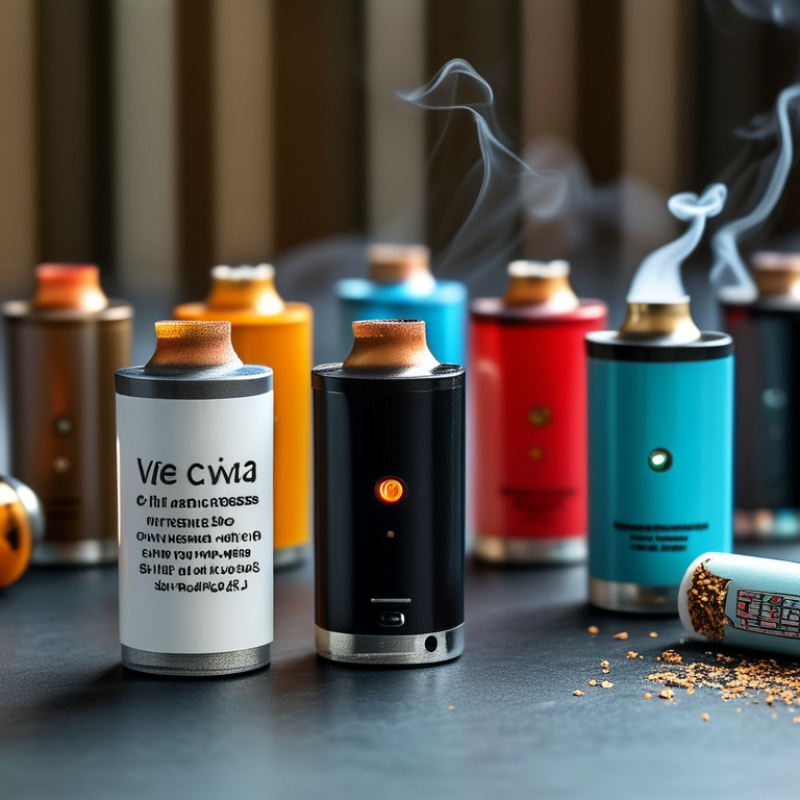
7 Best Reasons Are Pod Systems Better Than Disposable Vapes?

What Are Pod Systems and Disposable Vapes?

Pod systems and disposable vapes are electronic devices that heat e-liquid into an inhaled aerosol. A pod system usually has a rechargeable battery and a replaceable or refillable pod. Some pods are sealed, while others accept e-liquid. Disposable vapes arrive prefilled and are discarded after the battery or liquid runs out. The difference is practical, not automatically safer.

The CDC’s 2023 National Youth Tobacco Survey reported that about 2.13 million U.S. middle and high school students currently used e-cigarettes. This figure shows why age restrictions and careful product control matter. The CDC’s 2022 National Health Interview Survey also found that about 6% of U.S. adults used e-cigarettes. These figures describe use, not health benefits. Public-health evidence still does not establish vaping as risk-free. Battery size, liquid volume, nicotine strength, and charging design can vary widely. Reading the label is essential. Labels are not always easy to understand.

Tips: Check the nicotine concentration and ingredients. Keep devices away from children, pets, and heat. Use only the supplied charger. A pod system may create less packaging waste because its battery is rechargeable, but discarded pods still require responsible disposal. That environmental advantage is not guaranteed. In my view, convenience often hides the real comparison: refill routines, battery care, aerosol exposure, and local disposal rules. E-cigarette waste remains an under-measured problem, so confident claims should be treated carefully.

How Do Pod Systems Compare with Disposable Vapes?

How Do Pod Systems Compare with Disposable Vapes?

Pod systems and disposable vapes serve different priorities. A pod system usually includes a rechargeable battery and a replaceable or refillable pod. This design can reduce waste because the battery remains in use. It may also cost less over time, especially for regular adult users. However, pods need cleaning, charging, and occasional replacement. Small leaks can happen.

Disposable vapes offer immediate convenience. They arrive filled, require no refilling, and usually need no maintenance. Their compact shape fits easily in a pocket. Yet the entire device becomes waste when its liquid or battery is finished. Disposal can be confusing because many units contain lithium batteries. They should not enter ordinary household rubbish. Convenience has a hidden cost.

From a practical comparison, pod systems provide more control over airflow, liquid choice, and usage habits. That flexibility suits people willing to learn basic device care. Disposables may feel simpler, but their fixed design offers fewer adjustments. Neither option is harmless, and nicotine can cause dependence. Legal age rules and local waste requirements also matter. My assessment is not absolute: a poorly maintained pod can become frustrating, while a disposable may seem easier during travel. I would compare total cost, waste, charging access, and maintenance before choosing. The “better” option depends on daily habits, not only the device’s appearance.

Why Are Pod Systems More Cost-Effective?

A practical cost comparison starts with the purchase price, but it should not end there. A pod system usually costs more on day one because it includes a rechargeable battery and reusable housing. Disposable vapes may look cheaper at the counter. Repeated purchases can change that calculation. With a pod system, users generally replace only the pod or coil. They refill the reservoir with e-liquid where local law permits. The device itself may last months when handled carefully.

The savings become clearer through simple arithmetic. Suppose a user buys one disposable every few days. That creates a steady stream of small charges and discarded batteries. A refillable pod may require fewer hardware purchases, while e-liquid often costs less per use than a complete device. Actual results vary with puff frequency, liquid consumption, pod lifespan, and local prices. Keep a small record for four weeks. It may reveal that expected savings were overstated.

There are trade-offs. Replacement pods, charging accessories, and occasional leaks add costs. A neglected pod can taste burnt and need early replacement. Not perfect. Choose products that meet applicable safety standards, follow charging instructions, and keep devices away from heat and children. Cost should also include time, waste disposal, and maintenance. A pod system is often more economical for consistent users, but only when it is used responsibly and maintained properly.

How Do Refillable Pods Reduce Environmental Impact?

Refillable pod systems can reduce environmental impact because one device serves many cycles. Instead of discarding a complete vape after a short period, users replace only the e-liquid and, when necessary, a small pod or coil. This can lower the amount of plastic, metal, batteries, and packaging sent to waste facilities. A weekly rubbish bin makes the difference visible.

The environmental benefit depends on responsible use. A refill bottle may last several days, while a disposable device can contain a battery, circuit board, and absorbent material. Keeping one rechargeable device for months may reduce manufacturing demand and transport emissions. Research on product life cycles generally supports longer use, but results vary by materials, energy sources, and recycling systems. Refillable does not mean impact-free.

There is a practical weakness. Small leaks can contaminate bags, and worn pods are not always accepted by household recycling services. Used batteries need separate collection. I would store empty pods in a sealed container and check local waste guidance before disposal. That extra step is easy to forget. Cleaning the mouthpiece, avoiding overfilling, and charging safely can also extend device life. Still, users may buy unnecessary accessories or replace parts too often, cancelling some gains. Better habits matter as much as the device itself.

7 Best Reasons Refillable Pod Systems Can Be Better Than Disposable Vapes

Estimated single-use hardware discarded during 1,000 vaping sessions

A refillable system can substantially reduce the number of battery-containing devices and plastic housings discarded. This transparent scenario assumes one disposable device lasts for one session, while one refillable device lasts for 200 sessions and each refill container lasts for 100 sessions. Under these assumptions, 1,000 sessions require approximately 1,000 disposable devices, compared with 5 reusable devices and 10 refill containers. Actual results vary according to product lifespan, materials, packaging, and recycling access.

Context: Material Focus reported that approximately 5 million disposable vapes were discarded weekly in the United Kingdom in 2023. Source: Material Focus.

Which Vaping Option Offers Better Long-Term Flexibility?

7 Best Reasons Are Pod Systems Better Than Disposable Vapes?

Which Vaping Option Offers Better Long-Term Flexibility?

For adult users where vaping is legal, pod systems usually offer greater long-term flexibility. You can recharge the battery, replace the pod, and adjust the liquid strength. Some models also support different airflow settings. Disposable vapes provide immediate convenience, but their battery and liquid capacity are fixed. When either runs out, the entire device becomes waste. That limitation matters during travel, busy workdays, or unexpected delays.

The financial difference can also grow over time. A pod system requires a higher initial purchase, yet replacement pods usually cost less than buying complete devices repeatedly. Material Focus estimated that about five million disposable vapes were discarded weekly in the United Kingdom during 2023. This figure shows the waste problem clearly. However, pod systems are not automatically the better choice. They need charging, cleaning, and careful storage. I have found that small leaks can become frustrating when maintenance is ignored. Convenience still has value.

Tips: Choose a rechargeable device with replaceable pods, a clear battery indicator, and widely available compatible parts. Keep the charging port dry. Store e-liquid securely and follow local age and safety rules. Check independent testing when possible. The ASH Smokefree GB survey also continues to identify refillable devices as a major format among adult vapers, suggesting that flexibility remains important in real-world use. Disposable devices are simpler, but their fixed design offers fewer choices after purchase.

FAQS

What is a pod system?

A pod system uses a rechargeable battery with a replaceable or refillable pod. It needs charging and basic care.

What is a disposable vape?

A disposable vape arrives filled and requires no refilling. Its compact shape fits easily in a pocket.

Which option creates less waste?

Pod systems usually create less hardware waste because their batteries remain in use. Pods and coils still need replacement.

Why can pod systems cost less over time?

Users usually replace only pods or coils. E-liquid may cost less per use than buying complete devices repeatedly.

Are pod systems completely maintenance-free?

No. They need charging, cleaning, and occasional replacement. Small leaks can happen.

Why might disposable vapes seem cheaper?

Their purchase price may be lower. Repeated purchases can create higher long-term costs and more discarded batteries.

How can someone compare actual costs?

Record purchases and refill expenses for four weeks. Include pods, charging accessories, replacements, and disposal costs.

How should used disposable devices be discarded?

Do not place them in ordinary household rubbish. Many contain lithium batteries, so follow local waste requirements.

Which option is easier during travel?

A disposable may feel simpler because it needs no refilling or maintenance. Charging access may still become a problem.

Are either option harmless?

No. Nicotine can cause dependence. Follow legal age rules and applicable safety requirements.

What safety habits matter with pod systems?

Follow charging instructions and keep devices away from heat and children. A poorly maintained pod can become frustrating.

Which option is better overall?

It depends on daily habits, charging access, waste concerns, and maintenance willingness. My comparison is not absolute.

Conclusion

Are pod systems better than disposable vapes? For many adult users, pod systems can offer greater value, flexibility, and control. Pod systems typically use a rechargeable battery and either refillable or replaceable pods, while disposable vapes are designed for limited use before being discarded. This difference can make pod systems more cost-effective over time, especially for people who vape regularly. Refillable pods may also reduce the amount of waste produced compared with continuously throwing away complete devices.

Pod systems provide more long-term flexibility because users can choose different pod styles, nicotine strengths, and flavor options, depending on product availability and personal preferences. They can also offer adjustable features, easier charging, and a more consistent routine than disposables. However, disposables may still appeal to people seeking simplicity and minimal maintenance. Overall, the better option depends on individual priorities, but pod systems often stand out for their reusable design, lower ongoing costs, customization, and reduced environmental impact.

Mason

Mason

Mason is a seasoned marketing professional with a deep expertise in the company's offerings and a passion for driving brand awareness. With a strong background in digital marketing strategies, he has an innate ability to connect with diverse audiences and effectively communicate product benefits.......