Why are pod systems so popular? The answer is not one feature, but a combination of practical design choices. Many devices are compact enough to fit in a pocket, and their simple controls can feel less intimidating to new users. Refillable or replaceable pods also make daily handling straightforward. No complicated setup. For some adults who already use nicotine products, portability and predictable operation may influence their choice. But popularity does not prove safety or suitability for everyone.
Nicotine researcher Dr. Neal Benowitz has emphasized an important caution: “E-cigarettes are not harmless.” That perspective belongs beside any discussion of convenience. Pod systems vary in design, ingredients, and nicotine delivery, so broad claims can hide meaningful differences. A smooth draw or a small device is not evidence of low risk. The reasons explored in this article include ease of use, discreet form, product variety, and changing consumer preferences. They also include the limits of those advantages. A pod can be easy to carry and still raise health concerns. That distinction is easy to miss. Readers deserve a clear account of why these devices attract attention, along with what available evidence cannot yet settle. Popularity is a clue, not a health verdict.
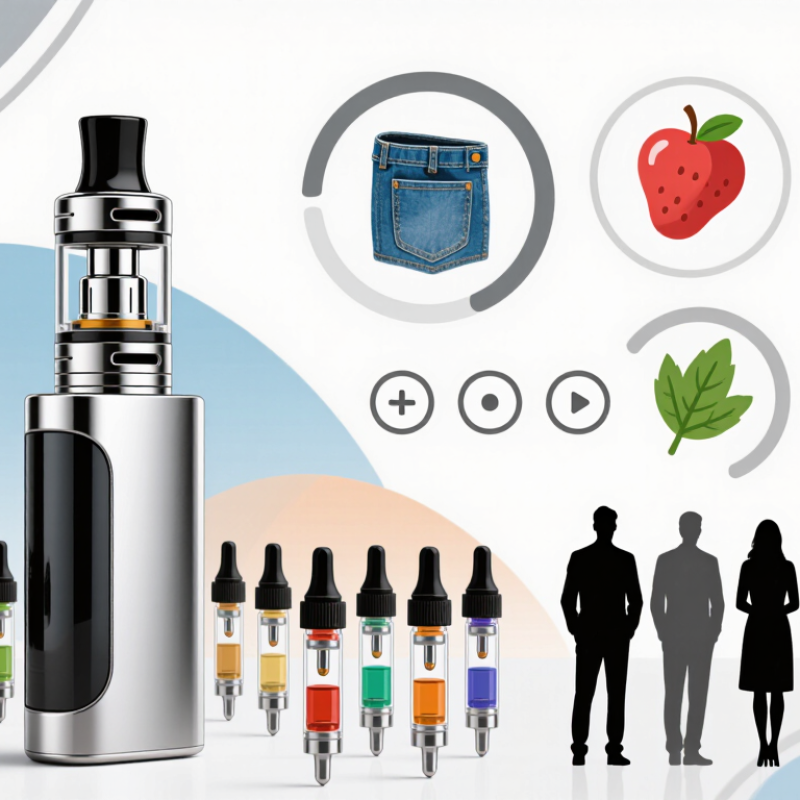
A pod system is a compact electronic device built around two main parts: a rechargeable battery and a removable pod. The pod usually contains a small liquid reservoir, a wick, and a heating coil. When activated, the battery sends power to the coil. The wick draws liquid toward it, and the heated liquid forms an aerosol that travels through the mouthpiece. Simple in concept.
Many systems activate when a user inhales; others use a small button. Air enters through narrow openings, passes the heated area, and carries aerosol upward. Some pods are refillable, while others come prefilled. Designs vary, so the device instructions matter. A loose pod or blocked airflow can cause weak output or leakage. Tiny parts matter.
Battery capacity affects how often charging is needed, while pod capacity affects how often the reservoir needs attention. Indicator lights may signal a low charge, but their meaning differs between devices. Follow the supplied charging guidance, and stop using a device with a damaged casing or unusual heat. These systems may look straightforward, yet they are not risk-free; aerosol exposure and liquid ingredients deserve careful consideration. The design is neat, though not perfect. Condensation can collect around the pod contacts, and wiping it away is easy to forget. That small detail says something about everyday reliability.
EU regulatory limits: Under the Tobacco Products Directive, nicotine-containing e-cigarette cartridges or tanks may hold up to 2 mL, while refill containers may hold up to 10 mL. In a pod system, the battery powers the heating coil, and the pod holds e-liquid and typically contains the coil and wick. These are legal maximums, not typical product sizes, and do not measure popularity.
Simple controls are a key reason pod systems can feel approachable to adult users. Many models use one button or draw activation, with a small light signaling battery or operating status. That can make routine actions—checking a charge or fitting a pod—less confusing. The details still vary by device, so “simple” is not universal.
Tips: Read the device guide before use. Check what its light signals mean. Keep the device away from children, and stop if it appears damaged.
There is no pod-specific study proving that fewer controls make a device easier to use. As a broader usability comparison, Baymard Institute’s 2024 checkout research found that 18% of surveyed U.S. shoppers had abandoned an order because checkout felt too long or complicated. That finding concerns online shopping, not pod systems, but it illustrates why clear steps matter. A simple interface can reduce guesswork; it cannot remove the health risks associated with nicotine or make every device suitable for every person. Fewer buttons are not automatically better. Clear instructions matter, too.
A pod system’s compact shape changes how easily it fits into daily routines. A small device can slip into a pocket or pouch, and its simple outline draws less attention than a larger device. That convenience is practical. It is not proof of safety, and “discreet” can mean easier to overlook, too.
The CDC’s 2024 National Youth Tobacco Survey found that, among U.S. middle and high school students who currently used e-cigarettes, 15.6% reported using prefilled or refillable pods. Disposable devices were more common, at 55.6%. The survey describes use, not why people choose a particular format, so it cannot show that compactness drives popularity. That distinction matters.
In everyday terms, portability means fewer awkward moments when carrying a device with keys, a transit card, or a phone. But small size also makes a device easier to misplace and harder for others to notice. That is not always a benefit. Public-health guidance cautions that e-cigarettes are not risk-free, and compact design does not change that. (CDC, 2024 National Youth Tobacco Survey; CDC, E-Cigarettes)
Pod systems are popular partly because they offer choices in both flavor and nicotine strength. Depending on the device, pods may be prefilled or refillable, with options ranging from familiar tobacco-like profiles to fruit or mint. A small pod can fit in a pocket; its label may list nicotine concentration in milligrams per milliliter or as a percentage. Those units can be confusing, and labels do not guarantee identical nicotine delivery across devices.
Flavor variety is a notable feature, but it does not make nicotine harmless. The U.S. Centers for Disease Control and Prevention reported that 89.4% of current middle- and high-school e-cigarette users used flavored products in 2023. That figure covers e-cigarettes overall, not pod systems alone, so it should not be read as pod-specific data. Nicotine is addictive, and people who do not use tobacco products should not start. For adults considering a pod, checking the nicotine concentration and ingredient information matters more than choosing by flavor alone. The range can feel convenient. It can also make comparisons harder.
Pod systems appeal to many users because the entry cost is often lower than that of larger, more complex devices. A compact device, a charging cable, and a small pack of replacement pods can be enough to get started. There are fewer separate parts to compare, and a pocket-sized setup takes little room on a desk or in a bag. Still, the purchase price tells only part of the story. Replacement pods and other supplies add up, so actual costs depend on how often someone uses the device and how frequently parts need changing.
Tips: Compare the price of replacement pods before buying. Keep the device dry, and wipe its contacts with a clean, dry cloth. Follow the maker’s care instructions.
Maintenance is another practical draw. Many pod systems need no separate tank or coil installation, which can make routine care less fiddly. Users generally just check the pod, refill or replace it as directed, and watch for leaks or damaged parts. Small details matter: a loose pod can interrupt use, while residue around the contacts may affect charging. The simplicity is real, but it is not maintenance-free. Some designs are easier to clean than others, and replacement parts can be inconvenient to find. That trade-off is easy to overlook when choosing a device.
Often, but not always. Some devices use one button; others activate when drawn. A small light may show battery or operating status. Check the guide, because signals vary.
Read its instructions and learn what each light means. Check that the pod fits properly. Do not use a device that looks damaged.
No. Fewer buttons may reduce guesswork, but they do not remove nicotine’s health risks. Clear instructions still matter.
The article cites no pod-specific study proving this. A checkout study found that complicated online steps can frustrate shoppers, but that is not evidence about pods. The comparison is imperfect.
Depending on the device, pods may be prefilled or refillable. Flavor options can include tobacco-like, fruit, or mint profiles. Choices vary.
Look for the concentration on the label. It may be listed in milligrams per milliliter or as a percentage. Those units can be confusing.
Not necessarily. Delivery can differ between devices, even when labels show similar concentrations. I might be oversimplifying if I treated labels as directly comparable.
In 2023, 89.4% of current U.S. middle- and high-school e-cigarette users used flavored products. The figure covers e-cigarettes overall, not pod systems alone. Nicotine is addictive, and people who do not use tobacco products should not start.
Pod systems are popular because they combine a straightforward design with useful everyday features. A typical system has a small device, a power source, and a pod that holds the e-liquid and connects to the heating element. Simple controls, often limited to a button or automatic activation, make the device easy to understand and operate without complicated settings.
Their compact size also makes pod systems convenient to carry and use discreetly. Users can choose from different pod styles, flavors, and nicotine strengths to suit their preferences, while replaceable or refillable pods offer flexibility. Compared with more complex devices, many pod systems have a lower upfront cost and require relatively little maintenance. Together, these qualities help explain why are pod systems so popular among people looking for a portable, uncomplicated option.

Mist Vape