7 Tips to Avoid Burnt Taste in Pod Systems

Time:2026-11-20 Author:Aria
0%

A burnt taste is more than an unpleasant puff. It can signal that a pod’s wick is not staying wet enough, or that the coil has reached the end of its useful life. The cause is often ordinary: repeated puffs, a nearly empty pod, or a new coil used before its wick is saturated. Small details matter.

Research offers useful context. A 2015 peer-reviewed study by Dr. Konstantinos Farsalinos and colleagues, published in Scientific Reports, examined aldehyde emissions under normal and “dry puff” conditions. The authors reported that “users were able to identify the dry puff condition due to the unpleasant taste.” That finding supports a practical point: an unpleasant burnt sensation is a warning, not a flavor to push through. The study examined specific devices and test conditions, though, so it cannot explain every pod system.

This guide focuses on how to avoid burnt taste in pod systems with simple, observable checks: fill levels, priming time, puff spacing, and coil replacement. Wait after filling. Watch the liquid level. Stop if the taste turns harsh. These steps sound basic. They are easy to overlook when a pod looks full but its wick is still dry. No single tip fixes every device, and manufacturer instructions should take priority. A burnt taste can also persist after basic checks, which is a reason to stop using that pod rather than keep testing it.
7 Tips to Avoid Burnt Taste in Pod Systems

Recognize a Dry-Wick Burn: E-Liquid Must Reach the Heated Coil

A dry-wick burn happens when the wick cannot deliver enough e-liquid to the heated coil. The taste is often sharp, acrid, or like singed cotton. The wick may also look dark through the pod’s window. That matters. Continuing to puff can make the burnt taste linger, even after liquid reaches the wick again.

Check the liquid level before each use, especially when it sits below the pod’s intake openings. Keep the pod upright while it soaks, and let a newly filled pod rest for several minutes before vaping. A fresh wick needs time to draw in liquid. Pause between puffs, too; rapid, repeated draws can heat the coil faster than the wick can re-saturate. I used to assume a full pod meant a ready wick. That was not always true.

If a burnt taste starts, stop and let the pod rest. Check for a low liquid level, blocked intake openings, or a loose connection, following the device instructions. Avoid raising the power beyond the recommended range on adjustable devices. If the taste remains after the wick has had time to soak, replace the pod or coil rather than trying to push through it. A scorched wick usually does not recover.

Check the Pod’s Rated Resistance (Ω) and Manufacturer Wattage Range (W)

Check the pod’s rated resistance, shown in ohms (Ω), and match it to a compatible device. Resistance affects how a pod heats, but it does not set the correct power by itself. The manufacturer’s wattage range is the key reference. Look for it on the pod packaging or in the device manual.

Stay within that range. If the pod is rated for 12–18 watts, do not raise the device above 18 watts to chase stronger vapor. A lower setting can be a sensible starting point, then small adjustments can help you find a comfortable draw. Small steps matter. It is easy to assume that more power means better performance; that assumption can lead to overheating and a scorched taste.

Check the pod label carefully, since similar-looking pods may have different resistance ratings or power limits. If the device does not display a suitable range, consult its manual rather than guessing. A burnt taste can also come from a wick that has not absorbed enough liquid, so follow the maker’s filling and waiting instructions for a new pod. If the taste continues, stop using it and check the pod and device guidance.

Prime a New Pod and Wait 5–10 Minutes Before Vaping

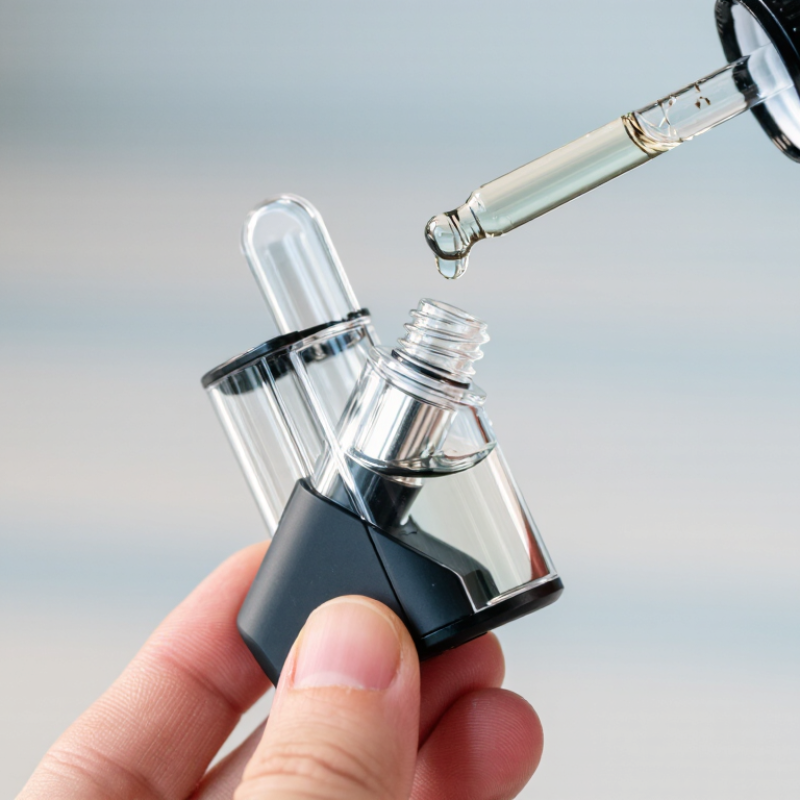
A new pod may look ready as soon as it is filled, but its wick needs time to absorb e-liquid. If the coil heats while parts of the wick remain dry, the result can be harsh and burnt. Fill the pod to its marked limit, then leave it upright for 5–10 minutes before vaping. Check the device instructions, too; pod designs differ, and some specify a longer wait. It is an easy step to rush. The National Academies’ 2018 report, which reviewed more than 800 studies, noted that e-cigarette design and operating conditions can affect aerosol emissions. That makes careful setup worthwhile, though the report does not establish one universal priming time.

After the wait, take a gentle first puff rather than several long draws in a row. Pause between puffs and notice any dry, sharp taste; stop if it appears. A longer wait may help when the liquid is thick or the room is cool, but it cannot fix a damaged coil or blocked wick. I would not treat five minutes as a guarantee. If the pod has a visible cotton wick, check that it looks evenly wet, not patchy or dry. Keep the pod upright while it soaks, and avoid filling past the line. Small details matter here. If the burnt taste remains, replace the pod instead of trying to mask it.

7 Tips to Avoid Burnt Taste in Pod Systems

After filling or priming a new pod, wait 5–10 minutes before vaping so the wick has time to absorb e-liquid. Follow the pod manufacturer’s instructions if they specify a different wait.

Keep E-Liquid Above the Intake Ports and Use Compatible PG/VG Ratios

Keep the e-liquid level above the pod’s intake ports, especially before a long draw. If the ports are exposed, the wick may not replenish quickly enough, leaving a dry patch that overheats. Tiny openings matter. After filling, let the pod stand for several minutes so the wick can absorb liquid; this is particularly useful with a fresh coil. Avoid repeated, rapid puffs when the liquid is low. I still find the fill line easy to misread when the pod is tilted, so check it upright.

PG/VG balance affects how readily liquid moves through the wick. Higher-VG liquid is thicker and may feed slowly through small intake ports, especially in a cool room. Follow the device maker’s stated compatibility range rather than assuming one ratio suits every pod. ISO 20768:2018 sets a laboratory testing puff at 55 mL over three seconds, repeated every 30 seconds; everyday puffing can differ, so that test setting is not a personal-use rule. The National Academies’ 2018 review also notes that device characteristics and user behavior influence aerosol exposure. Neither source establishes a universal PG/VG ratio for avoiding dry hits. A ratio chart can help, but it cannot compensate for uncovered ports, a saturated wick, or a worn coil. When taste turns sharp or scorched, stop using the pod and check the liquid level and coil condition.

Replace Worn Pods Using Manufacturer Guidance; Puff-Life Varies by Model

A burnt taste often means the wick is not staying wet, or the pod has reached the end of its useful life. There is no dependable puff count for every model. Pod capacity, power settings, liquid thickness, and puff length all affect wear. Treat any printed puff estimate as a guide, not a promise. Check the device instructions for the maker’s replacement guidance, and change the pod when its flavor stays harsh or its output drops. Don’t keep testing it with longer draws. That can make the taste worse.

ISO 20768:2018
The numbers need context. ISO 20768:2018 describes a laboratory vaping-machine puff of 55 milliliters, lasting three seconds, with a 30-second interval. Those standardized conditions help compare emissions; they do not establish how long a consumer pod should last. Real use varies. A person taking frequent, long puffs may wear a pod sooner than someone who uses it occasionally. No pod lasts forever. Keep a simple note of when a fresh pod goes in, then compare its performance under your usual routine. It is easy to blame the liquid, and sometimes that may be right; still, a worn pod is worth checking first.

FAQS

How do I choose the right wattage for a pod?

Check the pod’s stated wattage range on its label or in the device manual. Stay within that range. Start low and adjust in small steps.

Does a pod’s resistance determine its correct power setting?

Not by itself. Resistance affects heating, but the recommended wattage range is the key guide. Similar-looking pods can have different limits.

How long should I wait after filling a new pod?

Leave it upright for 5–10 minutes, or longer if its instructions say so. Small details matter. A dry wick can taste harsh.

What should my first puff from a new pod feel like?

Take a gentle puff, then pause. Avoid several long draws in a row. Stop if the taste turns sharp or scorched.

How can I prevent the wick from drying out?

Keep liquid above the intake ports, especially before a long draw. Check the level with the pod upright; I still sometimes misread it when tilted.

Does e-liquid thickness affect how a pod works?

Yes. Higher-VG liquid is thicker and may feed slowly through small ports, especially in a cool room. Follow the device’s compatibility guidance.

Can waiting longer fix a burnt taste?

It may help a fresh wick absorb liquid, but it cannot repair a damaged coil or blocked wick. I wouldn’t treat waiting as a guarantee.

What should I do if the burnt taste continues?

Stop using the pod and check its liquid level and condition. Replace it if needed; don’t try to mask the taste.

Conclusion

To understand how to avoid burnt taste in pod systems, make sure e-liquid can reach the coil before and during use. A dry, scorched flavor can signal that the wick is not sufficiently saturated. When installing a new pod, allow it to sit for 5–10 minutes after filling so the wick can absorb liquid. Keep the e-liquid level above the pod’s intake ports, and choose a PG/VG ratio that is compatible with the device.

Also check the pod’s rated resistance and use it only within the manufacturer’s recommended wattage range. Settings that are too high can overheat the coil and dry the wick faster. Pods wear out over time, so replace them according to the manufacturer’s guidance, or sooner if the flavor remains burnt. Pod lifespan varies by model and use, so regular checks and sensible puffing habits can help maintain a more consistent taste.

Aria

Aria

Aria is a dedicated marketing professional with a deep passion for innovative strategies and a keen understanding of our company's product offerings. With a wealth of experience in the industry, Aria excels at crafting engaging content that highlights the unique features and benefits of our......