What Nicotine Strength Should I Choose for Pod Systems?

Time:2026-09-18 Author:Henry
0%

Choosing nicotine strength for a pod system should begin with your current nicotine use, not advertising claims. The practical question is: what nicotine strength should i choose for pod systems? Nicotine is usually measured in milligrams per milliliter, or mg/mL. A small pod can feel surprisingly strong, especially with nicotine salts and tight airflow. Start cautiously.

The UK Office for Health Improvement and Disparities’ 2022 evidence review reported that vaping poses substantially fewer health risks than smoking, while stressing that it is not risk-free. Cochrane’s 2024 living review found that nicotine e-cigarettes may help some adults stop smoking, although individual results vary. These reports support harm reduction for adult smokers, not initiation by non-smokers or young people. The CDC’s 2024 National Youth Tobacco Survey also reported continued youth e-cigarette use, reinforcing the need for strict age safeguards.

Professor Ann McNeill has said, “Vaping is not harmless, but it is substantially less harmful than smoking.” That distinction matters here. A heavier smoker may need a higher strength initially, while an occasional smoker may find a lower strength more comfortable. Device power, puff duration, and daily frequency also change nicotine delivery. Dr. Lynne Dawkins has described nicotine delivery as “highly variable,” depending on the device and user behavior.

Watch your body. Headache, nausea, dizziness, or a racing heartbeat can indicate excessive nicotine. Weak cravings may suggest insufficient strength, but they may also reflect habit and stress. There is no perfect number. This guide compares sensible starting points, explains warning signs, and encourages gradual adjustment with qualified health advice when needed.
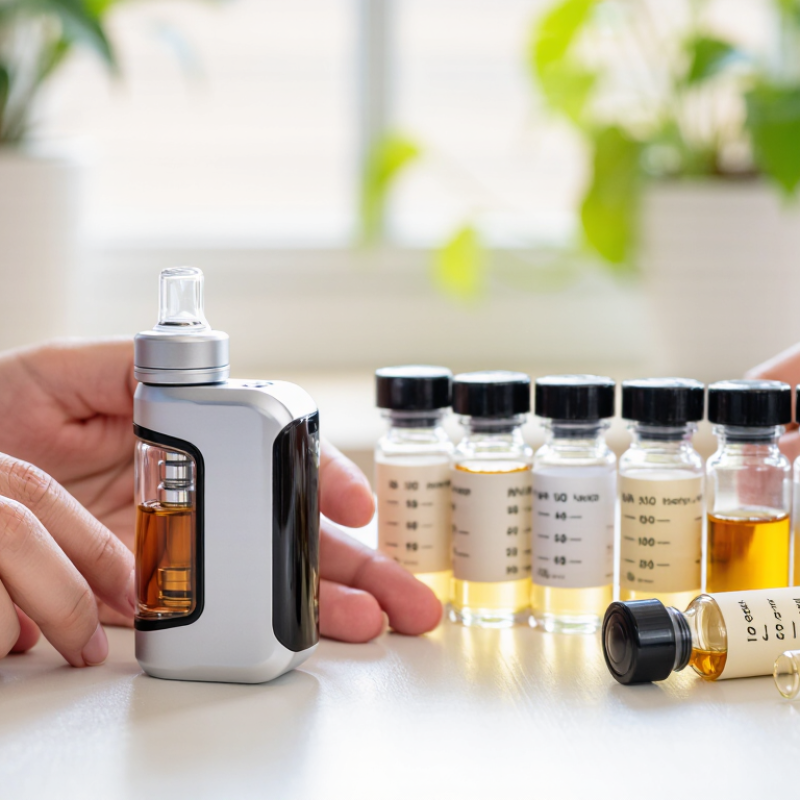
What Nicotine Strength Should I Choose for Pod Systems?

Understanding Nicotine Strength Labels in Pod Systems

Choosing nicotine strength for a pod system starts with reading the label correctly. A percentage usually means nicotine concentration by volume. For example, 1% equals 10 mg/mL, while 5% equals 50 mg/mL. The National Academies’ 2018 report explains that nicotine delivery also depends on device power, liquid composition, and puffing behavior. Therefore, the number on the bottle is not a perfect prediction of personal intake. It is only one part of the picture.

Check the unit first. Then compare the concentration with your previous nicotine use, if applicable. A lower strength may suit shorter sessions, while a higher strength can feel harsh or excessive for some users. Salt-based liquids often feel smoother, but smoother does not mean weaker. The European Union’s Tobacco Products Directive limits nicotine liquid to 20 mg/mL in regulated consumer products, although rules differ across regions. Read the local requirements carefully.

Labels can still be confusing. I have seen people mistake 5 mg/mL for 5%, which creates a tenfold difference. That mistake matters. The CDC and other public-health agencies also stress that nicotine is addictive and unsuitable for young people or non-users. Use sealed, clearly labeled products from legitimate retailers, and keep them away from children and pets.

If dizziness, nausea, headache, or a racing heartbeat appears, stop using the product and seek medical advice. Lower is not always better, but guessing is worse.

Matching Nicotine Strength to Your Current Vaping Habits

What Nicotine Strength Should I Choose for Pod Systems?

Matching Nicotine Strength to Your Current Vaping Habits

Your current nicotine routine is the most useful starting point. If you rarely vape, a lower strength may provide enough nicotine without feeling harsh. If you vape throughout the day, a stronger option may better match your established intake. People who do not currently use nicotine should not start with a nicotine product.

Check the label carefully. Nicotine strength is commonly shown in milligrams per millilitre, or mg/mL. Pod systems can deliver nicotine efficiently because they use small amounts of liquid. A lower liquid volume does not always mean lower nicotine exposure. Your puff length, frequency, and device settings also matter. Short, gentle puffs create a different experience from long, repeated draws.

Pay attention to your body during the first few sessions. Headache, nausea, dizziness, or a racing heartbeat can indicate that the strength feels too high. Reduce use and seek medical advice if symptoms continue. Persistent cravings may suggest that your chosen strength is too low, but increasing it is not the only answer. Review how often you vape and whether stress drives extra use. There is no perfect number on the first attempt. A cautious starting point, followed by honest self-checking, is usually more reliable than copying another person’s strength.

Choosing Between Freebase and Nicotine Salt E-Liquids

What Nicotine Strength Should I Choose for Pod Systems?

Choosing between freebase and nicotine salt e-liquids depends on more than the number printed on the bottle. Your device, puff length, tolerance, and previous nicotine use all affect the experience. Freebase nicotine often produces a sharper throat sensation at higher strengths, especially in compact pod systems. Nicotine salt uses an acid-based formulation, which usually feels smoother during inhalation. That comfort can make stronger concentrations easier to use, but it does not mean lower nicotine intake. Keep that distinction clear.

That comfort can make stronger concentrations easier to use, but it does not mean lower nicotine intake.

The National Academies’ 2018 report found that nicotine delivery varies substantially by device design and user experience. Public Health England’s 2018 evidence review also reported that experienced users can reach nicotine levels comparable to smoking, although results differ widely. For a pod, start with the lowest available strength that manages cravings without repeated, restless puffing. Freebase may suit users who prefer a noticeable throat hit. Salt may suit those wanting a smoother draw at lower power. Check the label in milligrams per millilitre, not just the product description. It is easy to underestimate intake.

Watch for dizziness, nausea, headache, or a racing heartbeat.

Stop using the product and seek medical advice if symptoms persist.

The answer is not perfectly tidy. Equal labels can feel very different across devices, and personal tolerance changes over time. A smooth inhale is not proof of gentle dosing.

Keep nicotine products away from children and non-users.

Adjusting Strength Based on Device Power and Vaping Frequency

What Nicotine Strength Should I Choose for Pod Systems?

Nicotine strength should match both pod power and how often you vape. Lower-power pods usually produce less vapor per puff, so some adult smokers may prefer a moderate strength. Higher-power devices create larger clouds and can deliver nicotine faster. Using the same liquid strength may feel unexpectedly intense.

Your routine matters too. If you take a few puffs during breaks, a higher strength might feel more noticeable. If you vape continuously throughout the day, a lower strength may be more comfortable. Watch for nausea, dizziness, headache, or a racing heartbeat. These can indicate that the strength or vaping pattern needs reconsideration. Stop using it and seek medical advice if symptoms concern you.

Tips: Change only one factor at a time. Try a lower strength when using more power, and wait before taking repeated puffs. Keep a simple note of puff frequency and how you feel afterward. A chart cannot predict every person’s response. I have found that device settings, inhalation style, and personal tolerance can change the experience considerably. My earlier assumption that “stronger always works better” was too simple. Nicotine is addictive, so non-users, young people, and pregnant individuals should avoid it. Choose products that comply with local rules, and ask a qualified healthcare professional when unsure.

What Nicotine Strength Should I Choose for Pod Systems?

Typical starting ranges are lower for higher-output pods and higher for lower-output pods. Use frequency as a second adjustment: frequent users may need a stronger liquid than occasional users, while inhaling more vapor at higher power generally requires less nicotine per millilitre.

Values show common starting points in mg/mL, not fixed prescriptions. Start at the lower end when uncertain, adjust gradually, and stop if you experience dizziness, nausea, headache, or a racing heartbeat. Nicotine products are intended for adults who already use nicotine; local concentration limits may apply.

Recognizing Signs of Excessive or Insufficient Nicotine

What Nicotine Strength Should I Choose for Pod Systems?

Recognizing Signs of Excessive or Insufficient Nicotine

Choosing nicotine strength is easier when you observe your body, not just the label. Too much nicotine may cause nausea, dizziness, headache, sweating, or a fast heartbeat. Some people also notice shakiness or a sudden need to sit down. These signs can appear after only a few puffs, especially with frequent use.

Pause immediately.

Put the device aside and get fresh air. Do not continue testing the same strength. Severe vomiting, confusion, breathing problems, chest pain, or fainting require urgent medical attention. Keep nicotine products away from children and pets. A healthcare professional can provide safer, personal advice.

Too little nicotine often feels different. You may keep reaching for the device, take repeated puffs, or feel distracted by cravings. Irritability and restlessness can also occur. However, tiredness, stress, and poor sleep may create similar feelings. One symptom does not prove the strength is wrong. A short record can help: note the strength, puff frequency, cravings, and physical reactions.

There is no perfect setting.

Pod devices differ in airflow and vapor delivery. Your inhalation style matters too. Avoid changing several factors at once, or the result becomes difficult to judge. If symptoms continue, reduce use and speak with a qualified healthcare professional. Stopping nicotine may also produce withdrawal symptoms, and support can make that process more manageable.

FAQS

What does a nicotine percentage mean on a pod liquid label?

A percentage usually shows nicotine concentration by volume. 1% equals 10 mg/mL. 5% equals 50 mg/mL. Check the unit carefully.

Is 5 mg/mL the same as 5% nicotine?

No. 5 mg/mL equals 0.5%. Confusing these labels creates a tenfold difference. That mistake matters.

How should I choose a nicotine strength?

Consider your current nicotine routine and vaping frequency. Rare users may prefer a lower strength. Frequent users may need a stronger option. Non-users should not begin.

Does a pod use less nicotine because it holds less liquid?

Not necessarily. Small pods can deliver nicotine efficiently. Puff length, frequency, and device settings also affect exposure. A tiny tank can still matter.

What is the difference between freebase and salt nicotine?

Freebase often creates a sharper throat sensation. Salt formulations usually feel smoother during inhalation. Smoother does not mean weaker. Comfort can hide stronger intake.

Are nicotine labels a perfect guide to personal intake?

No. The label is only one part of the picture. Device design and puffing behavior also influence delivery. Equal labels may feel different across devices.

What symptoms may indicate that the strength is too high?

Watch for dizziness, nausea, headache, or a racing heartbeat. Stop using the product if these symptoms appear. Seek medical advice if they continue. Do not simply push through.

What should I do if cravings continue?

Review how often you use the pod and whether stress increases use. Persistent cravings may suggest the strength is too low. Increasing strength is not the only answer. My first choice might still be wrong.

Conclusion

Choosing what nicotine strength should i choose for pod systems depends on your previous nicotine use, vaping habits, device power, and how often you vape. New users or people who rarely used nicotine may prefer a lower strength, while those switching from stronger nicotine products may need a moderate level to feel satisfied. Nicotine salt e-liquids are often smoother at higher strengths, whereas freebase nicotine typically provides a more noticeable throat sensation and is commonly used at lower levels.

Your device also matters: compact, low-power pod systems generally work better with moderate nicotine strengths, while higher-power devices can deliver more vapor and may require less nicotine. Pay attention to your body’s response. Headaches, dizziness, nausea, or a racing heartbeat can indicate that the strength is too high; persistent cravings or frequent, unsatisfying vaping may suggest it is too low. Adjust gradually, follow product instructions, and consider professional advice if you are unsure.

Henry

Henry

Henry is a dedicated marketing professional with a profound expertise in the company's offerings. With years of experience in the industry, he possesses an impressive understanding of the market dynamics and consumer behaviors that drive success. Henry is committed to sharing his insights through......