A high-quality vape cartridge is more than a clean-looking tube. The details you cannot see matter: material compatibility, secure seals, steady airflow, and consistent heating. This guide explores the top 10 factors that help assess design and manufacturing quality. It also asks what makes a high quality vape cartridge without treating appearance or marketing claims as proof.
Dr. Konstantinos Farsalinos, a physician and researcher who has studied e-cigarette devices, has highlighted the importance of device design and liquid composition in understanding emissions. A practical paraphrase of that research is simple: both the device and its contents matter. That perspective supports careful attention to component materials, manufacturing consistency, and transparent testing information. Look for clear product specifications, batch identification, and credible quality-control details. A smooth draw alone proves little. Neither does a premium label. No checklist is perfect; even test results have limits, and consumers may not be able to verify every claim independently. Small details count. A well-made cartridge should show consistent construction, resist leaking, and provide enough information to evaluate its components. The factors below offer a grounded starting point, not a guarantee of safety or performance.
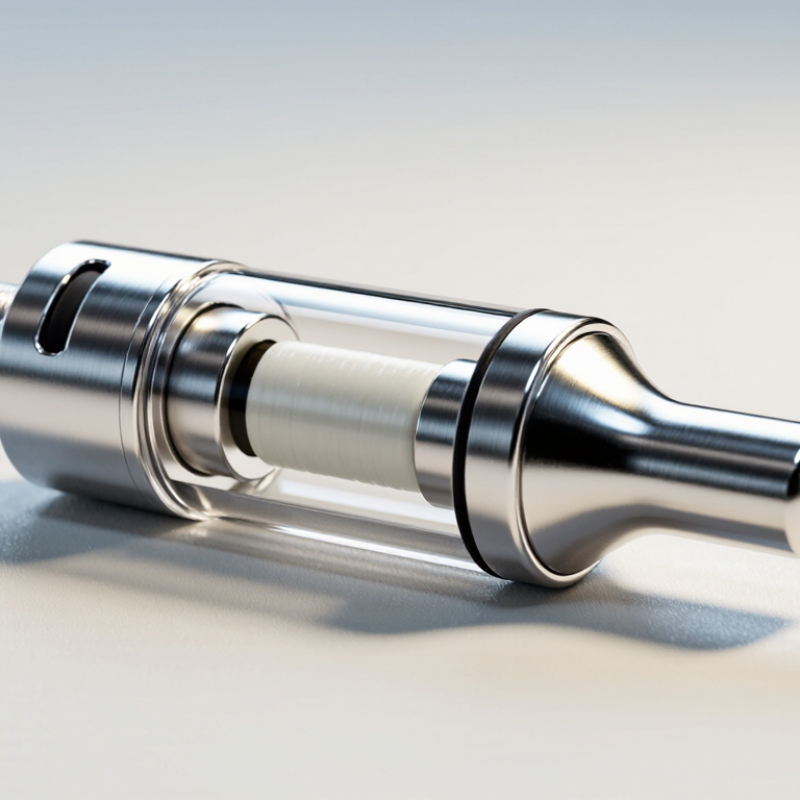
A high-quality vape cartridge is defined by reliable construction, clear information, and consistent performance—not polished packaging alone. Its body should feel solid, with even seams and no visible residue. The mouthpiece and base should fit securely. A well-made seal helps prevent leaks during ordinary handling. No device is perfect. Still, oil or liquid around the connection is a warning sign, not a minor cosmetic flaw.
Material quality matters. Product information should identify the cartridge’s materials and compatible device types, while avoiding vague claims such as “premium” without evidence. Look for batch details and accessible quality-testing information from a qualified, independent laboratory. Clear labeling can help buyers understand what the product contains and how it should be handled. Airflow should feel steady rather than blocked or unusually loose. But smooth performance alone proves little. A cartridge can work consistently and still lack trustworthy documentation. Quality also does not mean risk-free; consumers should treat health claims cautiously and check relevant local guidance. Even careful inspection has limits, which is easy to forget when a device looks clean and well finished.
| Factor | What to Look For | Why It Matters | Practical Check |
|---|---|---|---|
| 1. Verifiable Lab Testing | A batch-specific certificate of analysis from an independent laboratory, covering relevant potency and contaminant tests required by the applicable jurisdiction. | Testing can provide evidence about the product’s contents and whether tested contaminants meet local limits. A certificate should correspond to the actual batch. | Match the batch or lot number on the package to the certificate. Check the testing date, laboratory details, and reported results. |
| 2. Clear Ingredient Information | A complete, understandable ingredient list that identifies the extract and any added ingredients, such as flavorings or diluents. | Transparent labeling helps consumers understand what is in the cartridge and identify ingredients they may wish to avoid. | Be cautious of vague descriptions, missing ingredient information, or claims that are not supported by the package or test documentation. |
| 3. Appropriate Oil Formulation | Oil formulated for the specific cartridge hardware, with no unexplained separation, unusual particles, or persistent phase changes. | Oil viscosity and composition affect how it moves through the wick and heating element. A mismatch can contribute to poor performance or leakage. | Inspect the cartridge as supplied and follow the maker’s storage and use instructions. Appearance alone cannot confirm purity or safety. |
| 4. Suitable Materials | Clearly identified materials for the reservoir, seals, mouthpiece, and internal components, selected for compatibility with the oil and intended operating conditions. | Material compatibility can affect durability, sealing, and the chance of unwanted interaction or component failure. | Look for material information and avoid cartridges with cracked reservoirs, damaged seals, or loose components. |
| 5. Reliable Heating Element | A heating element designed to work with the cartridge’s oil and the compatible battery, with clear operating guidance where applicable. | Heating performance influences vapor production and can affect taste. Excessive or inconsistent heat may degrade oil or produce an unpleasant experience. | Use only a compatible device and follow its instructions. Do not use a cartridge that tastes burnt or shows signs of damage. |
| 6. Consistent Airflow | Airflow that is neither obstructed nor excessively loose, without noticeable gurgling or repeated clogging during normal use. | Restricted or inconsistent airflow can indicate a blockage, a design issue, or oil movement into the airway. | Check for visible blockage and follow the product’s care instructions; do not force air through a damaged cartridge. |
| 7. Leak-Resistant Construction | Securely fitted components, intact seals, and packaging that protects the cartridge during transport and storage. | Leaks can waste product, damage equipment, and expose the contents to surfaces or materials not intended for contact. | Inspect the mouthpiece, base, and reservoir for oil residue, cracks, or loose fittings before use. |
| 8. Batch-to-Batch Consistency | Consistent labeling, fill level, product description, and documented specifications across batches, with batch identification on the package. | Traceability makes it easier to verify test information and report concerns about a particular lot. | Check that the lot number is legible and that package details agree with the corresponding test documentation. |
| 9. Accurate, Compliant Labeling | Legible information such as product contents, batch identification, net quantity, warnings, and required instructions for the local market. | Clear labels support informed decisions and help consumers follow applicable rules and handling guidance. | Check the label for missing, contradictory, or hard-to-read information, and consult local regulations where relevant. |
| 10. Protective Packaging and Storage Guidance | Packaging that protects the cartridge from damage and tampering, plus clear guidance on storage and disposal. | Appropriate handling can help preserve product condition and reduce accidental access, especially by children or pets. | Look for intact packaging and follow the stated storage instructions. Keep cartridges securely stored and out of reach of children and pets. |
Look for even seams, a secure mouthpiece, and a firm base. Oil near the connection is a warning sign.
Clear material information helps explain what the cartridge contains and which devices fit. Vague claims offer little evidence.
Check for ingredients, nicotine concentration where applicable, batch details, and handling instructions. Compare the cartridge, box, and product documentation.
No. Smooth airflow alone cannot verify the contents or testing. A clean finish can still hide missing information.
Look for a dated report linked to the specific batch, with testing methods and detection limits. Tests may examine nicotine accuracy, metals, solvents, and contamination.
No test is perfect. A passing result reflects a sample at one point, not every unit or later performance.
Check the seal, batch code, warnings, and any visible leaks. A missing code makes the product harder to trace.
No. Requirements vary by market, so local guidance matters. Even a tidy label may be wrong.
What makes a high quality vape cartridge is a combination of dependable materials, careful construction, and components designed to work together. A well-made cartridge should use durable, appropriately selected materials and fit securely with its compatible device. Its oil should have a clearly described composition, consistent quality, and no undisclosed additives. Independent laboratory testing can help verify ingredient information and screen for unwanted contaminants, giving users a clearer basis for evaluating the product.
Performance matters, too: reliable heating should produce a consistent experience without frequent clogging, leaking, or burnt flavors. Clear labeling should accurately state the contents, quantity, and relevant use and safety information. Responsible manufacturing and compliance with applicable regulations are also important indicators of quality. By considering these factors together, consumers can make more informed choices and distinguish thoughtfully produced cartridges from products with unclear ingredients, inconsistent performance, or inadequate quality information.

 Mist Vape