As vaping evolves, a significant question arises: what is the future of pod systems in vaping? These compact devices have transformed the experience for many users. They offer convenience and simplicity, appealing to both new and experienced vapers. However, the rapidly changing market introduces many challenges.
One key aspect to consider is technology. Manufacturers are innovating constantly, introducing features like customizable airflow and temperature control. These advancements might redefine user preferences. Yet, the question remains whether every new feature truly enhances the experience. Sometimes, simplicity might be overlooked in the race for novelty.
Additionally, regulations are shaping the future of pod systems. As governments worldwide focus on vaping safety, compliance becomes crucial for brands. This shift could impact the designs and availability of pod systems. Vapers should remain informed about these changes. The future landscape may be different from what we envision today, requiring both users and manufacturers to adapt.
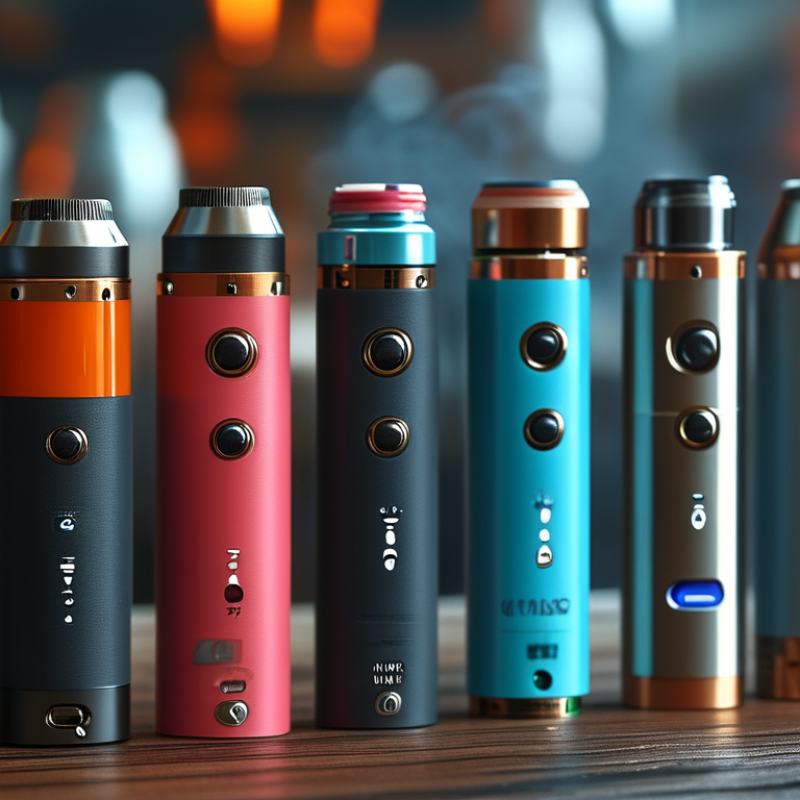
The evolution of pod systems in vaping has been significant over the past decade. Initially, these devices were simple and often viewed as entry-level options for new vapers. However, according to a 2022 report by the American Vaping Association, the market share of pod systems surged to over 60% of all vaping sales in the United States, indicating a profound shift in consumer preferences.
Pod systems have improved in design, usability, and flavor delivery. Early models lacked variety and often frustrated users with limited nicotine options. Recently, advancements in technology have addressed these issues by introducing customizable nicotine strengths and a wider range of e-liquid flavors. Data from industry analyst firms shows the demand for refillable pod systems increased by 40% last year alone. This indicates that vapers are becoming more discerning and knowledgeable about their options.
However, challenges remain. With the rise of pod systems, regulatory scrutiny has increased. Concerns about youth vaping continue to prompt discussions around flavors and safety measures. Many vapers still express concerns about the quality control of certain manufacturers. As pod systems continue to evolve, addressing these challenges will be crucial for maintaining consumer trust and compliance with regulations. The future demands not only innovation but also transparency and responsibility within the industry.
The vaping industry is evolving rapidly. Technological advancements play a significant role in shaping pod systems. According to a report from Research and Markets, the global vaping market is projected to reach $58.43 billion by 2025. This growth highlights the shifting preferences among users, emphasizing convenience and portability.
Innovative features are emerging in pod systems. Smart technology, such as app connectivity and customizable settings, caters to diverse user needs. A study by Mordor Intelligence indicates that around 16% of vapers prefer devices with advanced technology. However, these advancements also raise concerns about usability. Users can feel overwhelmed by complex features. Simplifying interfaces could enhance user experience and reach a broader audience.
Battery technology continues to improve, enhancing longevity and charge times. Data suggests that battery efficiency has increased by 25% in recent years. While longer-lasting batteries are advantageous, issues like overheating need addressing. Manufacturers must prioritize safety in their designs, as user trust is essential for market viability. As innovation continues, the balance between advancement and accessibility will define the future of vaping pod systems.
The future of pod systems in vaping hinges on enhancing user experience. As reported by industry research, 67% of users prioritize comfort and convenience when choosing vaping devices. This trend signifies that designs must evolve to meet these expectations.
One tip for manufacturers is to focus on ergonomics. Devices should fit comfortably in the hand, allowing for natural use. Improving grip and reducing weight can significantly enhance user satisfaction. Simplicity in operation also matters. Interfaces should be intuitive. Complex controls deter new users and frustrate existing ones.
Another recommendation is to prioritize refillable options. Recent statistics show that 45% of users favor refillable pods for cost efficiency and customization. Offering various e-liquid choices can personalize the experience, catering to individual tastes. Flexibility in pod design, with easy-to-replace coils, also adds to convenience, making maintenance effortless.
Ultimately, focusing on user comfort and convenience in pod systems can lead to higher satisfaction rates and brand loyalty. Designing with the user's needs in mind is essential for future success in this competitive market.
| Tip | Description | User Experience Impact | Convenience Factor |
|---|---|---|---|
| Ergonomic Design | Focus on comfort with shapes that fit naturally in the hand. | High | Enhanced Grip |
| Pod Durability | Use of advanced materials to prevent breakage and leaks. | Medium | Longer Lifespan |
| Customization Options | Allow users to personalize their pods for style and functionality. | High | Personal Touch |
| Integrated Technology | Smart features like automatic draw detection and battery management. | Very High | Effortless Use |
| Eco-Friendly Materials | Utilize biodegradable or recyclable materials for pods. | Medium | Environmental Awareness |
The regulatory landscape for pod systems in vaping is evolving rapidly. Reports indicate that by 2025, the global vape market could reach $90 billion. This surge is influenced by stricter regulations worldwide. Policies from various countries aim to curb youth access to vaping products. These rules significantly affect how pod systems are designed and marketed.
Developers must balance compliance with innovation. For example, nicotine limits are being imposed, impacting the formulation of e-liquids. A study showed that 35% of users prefer lower nicotine levels. This trend forces manufacturers to create diverse options to meet consumer preferences while adhering to rules. The challenge lies in maintaining product appeal without compromising on responsibility.
Additionally, eco-friendly initiatives are gaining traction. A report suggests 25% of consumers prioritize sustainable products. Regulations pushing for biodegradable materials are changing production processes. Manufacturers who ignore these trends may fall behind. The future may also see more stringent labeling requirements, impacting how products communicate ingredients and usage instructions. The road ahead is complex, requiring constant adaptation and reflection on market dynamics.
As the vaping industry evolves, sustainability is becoming a critical issue. Future materials will play a crucial role in reducing the environmental impact of pod systems. Biodegradable plastics and organic materials are emerging as viable options. These materials not only reduce waste but also decrease the carbon footprint of production.
Embracing these innovations is vital. Manufacturers must invest in research to find sustainable alternatives. Education will be key. Vapers should understand the impacts of their choices. They can advocate for brands prioritizing eco-friendly practices. Choosing products made from sustainable materials can promote a healthier planet.
Tip 1: Look for recyclable or biodegradable pods to minimize waste.
Tip 2: Support companies that implement sustainable practices.
Tip 3: Stay informed about emerging materials in the vaping market.
While the future looks promising, we must reflect on what we currently consume. Every small action counts in creating a greener vaping experience. Sustainability in vaping is not just a trend; it's a necessity for future generations.
: Pod systems have evolved significantly, increasing in design, usability, and flavor options.
The convenience, comfort, and customizable nicotine options have made them increasingly appealing to users.
Regulatory scrutiny about youth vaping and quality control concerns for some manufacturers remain pressing issues.
User convenience and comfort are vital, with 67% of users prioritizing these aspects in their device choices.
Ergonomic designs, easy operation, and refillable options significantly improve overall user experiences.
Biodegradable plastics and organic materials are emerging as eco-friendly alternatives for pod systems.
By choosing products made from sustainable materials and supporting companies with eco-friendly practices.
Educating vapers about the environmental impacts of their choices can encourage more sustainable consumption.
They should prioritize ergonomic comfort, intuitive interfaces, and refillable options to meet user needs.
Every small action, like choosing recyclable products, helps create a healthier planet for future generations.
The article explores the future of pod systems in vaping, addressing critical factors that will shape their evolution. It begins with a historical perspective on how pod systems have developed over the years, laying the foundation for understanding current trends. Technological advancements are significant, as innovations in battery life, pod design, and user interfaces are expected to enhance efficiency and user satisfaction.
Further, the piece highlights the importance of user experience, focusing on comfort and convenience in design, which will be crucial for attracting new users. Regulatory trends also play a vital role in shaping the industry, influencing pod system development and ensuring compliance. Lastly, sustainability is becoming increasingly important, with future materials and environmental considerations taking center stage. In summary, these elements collectively address the question of what is the future of pod systems in vaping, pointing towards a more user-friendly, compliant, and environmentally conscious industry.
Mist Vape