Choosing a pod system is less about chasing the newest design and more about matching a device to daily habits. This guide explains how to choose the right pod system through practical checks, manufacturer guidance, and careful risk awareness. I have found that a pocket-sized device can feel convenient, yet its small battery may require frequent charging. A larger pod may last longer, but it can feel heavy during commuting. That trade-off matters. So does grip. Smooth metal can become slippery with damp hands. A textured shell may offer better control. Small details matter.
Reliable selection begins with clear specifications. Check battery capacity, charging protection, pod availability, leak-resistant construction, and warranty terms. Prefer products from identifiable manufacturers with safety documentation and responsive support. Avoid modified components, damaged batteries, and unverified liquids or inserts. Use only compatible parts, follow the manual, and keep the device away from children and pets. Local rules may restrict possession, sales, or use, so confirm official guidance before buying. Health considerations also deserve attention; inhaled products are not risk-free, and non-users should not start. The “best” system is not universal. I may overvalue portability myself. A longer battery can become another object to maintain. Compare real routines, not marketing claims. The sections ahead examine cost, maintenance, charging habits, and safety signals, helping readers make a measured, legally compliant choice.
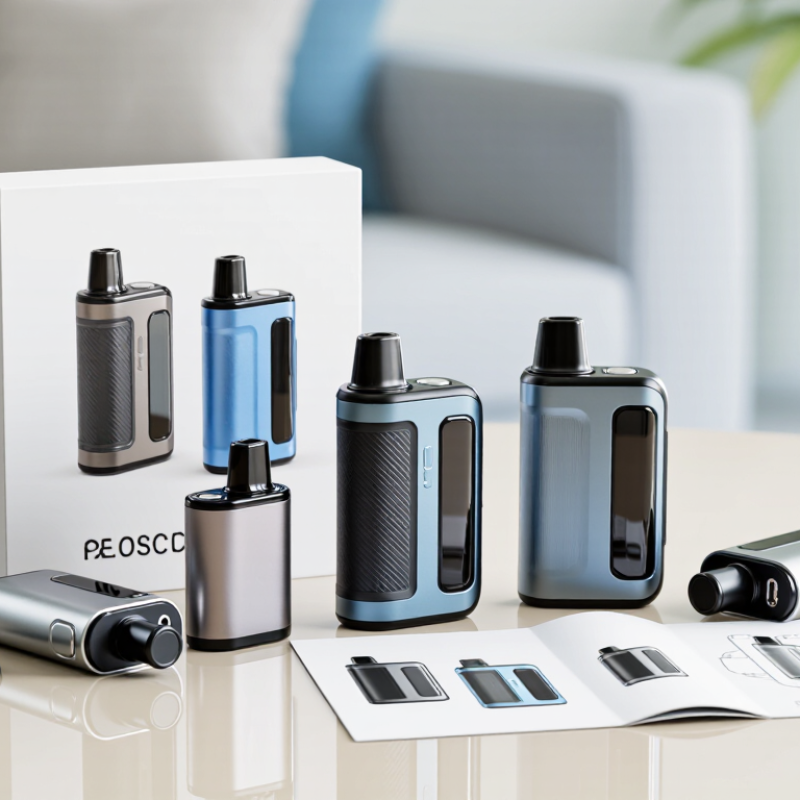
Before choosing a pod system, define what you expect from each session. Are you replacing combustible tobacco, enjoying occasional flavor, or seeking a compact routine? Your goal affects the features that matter most. I start by noting when and where I vape, such as during a commute or after dinner. Short sessions need convenience. Frequent use needs dependable battery life and simple refilling.
Your usage habits also reveal the right size and airflow style. A small device can fit beside your keys, but it may require more frequent charging. A larger pod may last longer, yet it can feel heavy in a pocket. Tight airflow often feels closer to a cigarette-like draw. An open draw can produce more vapor, but it may consume liquid faster. Check pod capacity, charging time, leak resistance, and replacement availability before buying.
I once chose a compact system without checking its charging connection. That small oversight became annoying during travel. My advice is practical, not perfect: write down your daily pattern for three days before deciding. Notice your preferred draw, session length, and charging opportunities. Choose adjustable power only if you will use it. Extra controls can complicate a simple habit. Always follow the instructions, avoid damaged batteries, and use products permitted for adults in your location.
Define Your Vaping Goals and Usage Habits
| Vaping Goal | Typical Usage Habit | Suitable Pod Profile | Recommended Specifications | Why It Fits | Points to Check |
|---|---|---|---|---|---|
| Simple, low-maintenance vaping | Short sessions during the day; prefers minimal setup and maintenance. | Draw-activated, closed or prefilled pod system. | Built-in battery; approximately 400–800 mAh; compact pod design. | Usually requires no button operation, coil installation, or e-liquid measuring. | Pod availability, replacement cost, charging connector, and liquid compatibility. |
| Replacing frequent cigarette breaks | Uses the device many times throughout the day and values a familiar, cigarette-like draw. | Mouth-to-lung pod with a tight or adjustable airflow. | Approximately 1.0–1.4 ohm coil; roughly 8–18 W; 1.5–3 mL pod capacity. | Lower-power operation generally provides a restrained draw and can extend battery life. | Airflow range, mouthpiece shape, nicotine strength, and local pod capacity limits. |
| Balanced flavor and portability | Carries the device regularly and wants noticeable flavor without a large, heavy setup. | Refillable pod with adjustable airflow and moderate power control. | Approximately 700–1,000 mAh; 0.6–1.0 ohm coil range; about 15–25 W. | Offers more control over draw, vapor output, and flavor while remaining pocket-friendly. | Leak resistance, refill method, coil availability, charging time, and wattage adjustment. |
| Long periods away from a charger | Uses the device during work, travel, or outdoor activities where charging access is limited. | Higher-capacity refillable pod or a device with a replaceable battery. | Approximately 1,000–2,000 mAh built-in battery, or a replaceable cell; USB-C charging. | Greater battery capacity can reduce charging frequency during moderate use. | Actual battery capacity, charging protections, device weight, and spare-battery handling. |
| Lower vapor output | Vapes in shared spaces or prefers a discreet, less visible experience. | Low-power mouth-to-lung pod with a tight airflow setting. | Approximately 1.0–1.4 ohm coil; about 8–15 W; smaller pod opening and mouthpiece. | Lower power and restricted airflow generally produce smaller vapor clouds. | Noise level, airflow control, condensation management, and rules for indoor use. |
| More flavor and visible vapor | Takes longer sessions and is comfortable carrying a larger device and extra liquid. | Direct-to-lung or restricted direct-to-lung pod with adjustable airflow. | Approximately 0.4–0.8 ohm coil; about 20–40 W; 3–5 mL refillable pod where permitted. | Higher power and increased airflow can support warmer vapor and stronger flavor intensity. | Higher e-liquid consumption, battery drain, heat, coil cost, and applicable regulations. |
| Trying different e-liquids | Enjoys changing flavors or nicotine strengths and is willing to refill and replace coils. | Open-system refillable pod with replaceable or accessible coils. | Refillable pod; 0.6–1.2 ohm coil options; adjustable power and airflow. | Provides flexibility to match different e-liquid ratios, flavors, and draw preferences. | E-liquid viscosity guidance, coil priming, refill seal, and cleaning requirements. |
| Maximum convenience while traveling | Wants a lightweight setup with limited liquid handling and quick replacement. | Compact pod with a secure filling system or prefilled cartridges. | Approximately 400–1,000 mAh; leak-resistant pod; USB-C charging; protective carrying case. | Reduces the number of separate items needed for short trips. | Airline and destination rules, battery protection, liquid limits, and spare-pod storage. |
Specification ranges are typical examples rather than universal requirements. Nicotine products are intended for adults of legal age; nicotine is addictive. Always follow local regulations and the device manufacturer's safety instructions.
Decide whether you want occasional flavor, a compact routine, or an alternative to combustible tobacco. Short sessions need convenience. Your purpose guides the useful features.
Record when and where you vape for three days. Note session length, preferred draw, and available charging times. This simple test may reveal more than appearance.
Closed pods use prefilled cartridges and usually create fewer spills. Open pods allow refilling and more liquid choice. They require careful filling and occasional cleaning.
Tight airflow can feel closer to a cigarette-like draw. Open airflow may produce more vapor and consume liquid faster. More vapor is not always better.
Check battery endurance, charging time, protection features, and the battery indicator. Compact devices fit beside keys but may need frequent charging. Battery claims can differ in real use.
Choose a lightweight device for short trips and small bags. A larger battery may suit long workdays or outdoor use. Test the grip first. A heavier device may become annoying.
Wipe condensation from contact points with a dry cotton swab. Clean accessible areas and refill carefully to reduce spills. Replace worn pods when flavor changes or leakage continues.
Follow the supplied charging instructions and use a suitable certified charger. Do not charge unattended or with visible damage. Battery safety deserves more attention than decoration.
Confirm that replacement pods are legally available in your location. Check pod capacity, leak resistance, and operating instructions. Easy availability matters during travel.
Choose adjustable power only when you will use it regularly. Extra controls can complicate a simple habit and drain batteries faster. I once overvalued features. Simple may work better.
Choosing the right pod system begins with understanding your vaping goals, daily habits, and preferred level of convenience. Consider whether you need a compact device for occasional use or a more durable option for regular vaping. Compare different pod designs, including refillable and prefilled systems, while reviewing features such as adjustable airflow, draw activation, coil structure, and ease of use. E-liquid compatibility is also important, especially when selecting nicotine strength, nicotine salt or freebase formulas, and suitable liquid viscosity.
Battery capacity, charging time, portability, and maintenance requirements can significantly affect your experience. A practical device should provide enough power for your routine without becoming difficult to carry or clean. Finally, evaluate built-in safety protections, replacement costs, pod availability, and long-term value. By balancing performance, comfort, reliability, and budget, you can make a more informed decision about how to choose the right pod system for your needs. Always use the device responsibly and follow applicable local regulations and safety instructions.

 Mist Vape