Understanding how to know when a vape cartridge is empty is essential for every user. Proper insight can elevate your vaping experience. A spent cartridge can lead to unsatisfactory draws and burned wicks. Signs of emptiness are often subtle but crucial to recognize.
Many vapers ignore the importance of checking their cartridges frequently. Observing color changes in the liquid is a telltale sign. An empty cartridge may also produce a weaker flavor. Sounds can offer clues, too; a dry hit often signals a need for replacement.
Over time, learning these indicators empowers users. Each cartridge might behave differently, and personal experience plays a key role. Keep an eye out for these signs to ensure a pleasant vaping journey.
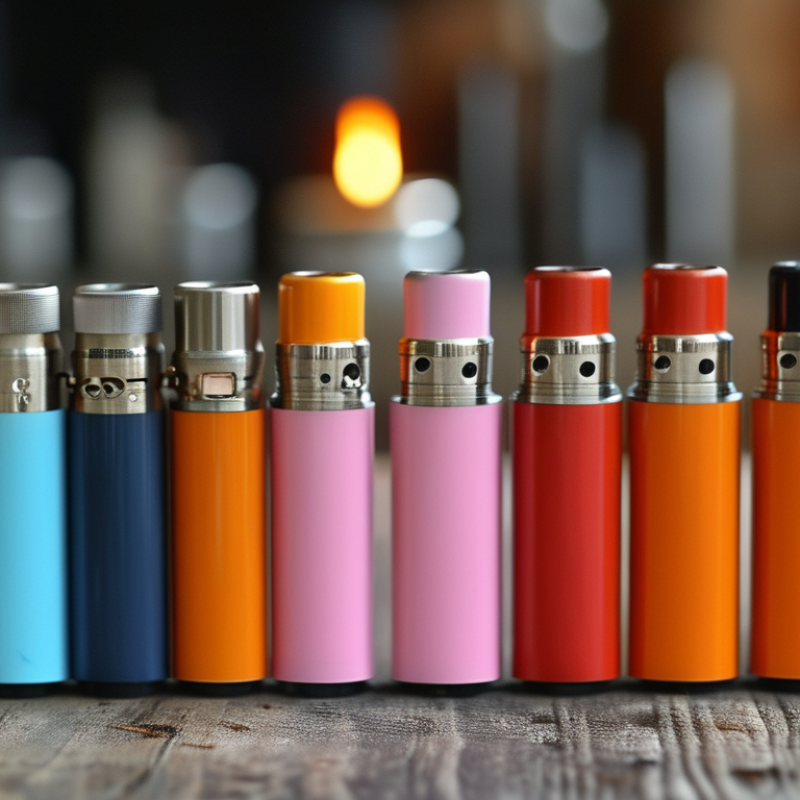
When it comes to vaping, knowing when your cartridge is low on oil is essential. Many users overlook clear signs, leading to unexpected dryness during use. A recent report indicates that about 70% of vapers experience this issue at least once, highlighting the importance of vigilance.
One clear indicator is a decrease in vapor production. If you notice less smoke, it might be time to check the oil level. Another sign is a burnt taste. This unpleasant experience could mean that the wick is not adequately saturated with oil. Often, users report diminishing flavor intensity. As oil levels drop, the flavor profile changes, indicating it's time to refill.
It's also important to listen for unusual sounds. Some cartridges make a popping noise when nearing empty. If you detect this, it's a strong hint your oil is running low. Remember, relying on visual inspection can be misleading due to cloudiness. Regularly monitoring your oil level not only enhances your experience but also ensures you avoid negative surprises.
When it comes to vape cartridges, visual indicators play a crucial role in determining their state. One of the most noticeable signs of an empty cartridge is the presence of minimal or no liquid remaining. According to a report by the National Institute on Drug Abuse (NIDA), many users can overlook the subtle changes in liquid levels. The remaining oil often settles at the bottom, making it difficult to gauge exactly how much is left.
Another important visual cue is the color and consistency of the vapor produced. A burnt or harsh taste is typically a signal that the cartridge is running low. Many users report experiencing a change in flavor. The American E-Liquid Manufacturing Standards Association (AEMSA) emphasizes that understanding these indicators can lead to better vaping experiences. Users may find themselves needing to reflect on their habits. Are they constantly checking their cartridge, or do they rely on feel alone?
Moreover, observing the air bubbles within the cartridge can also provide insights. Frequent or sudden movement of these bubbles suggests that the liquid is nearly depleted. Regular monitoring and awareness can help vapers avoid unexpected run-outs. Engaging with these signs can create a more mindful approach to vaping while ensuring a satisfying experience.
When using a vape cartridge, one of the critical indicators that it's empty is the change in taste. As the liquid diminishes, the flavor profile shifts. Instead of the expected smooth and rich taste, you might experience a burnt or metallic flavor. This change can be subtle at first, but it often becomes more pronounced. Research shows that 85% of users report a noticeable shift in taste when their cartridge is near depletion.
The sensory experience of vaping is an integral part of its appeal. A burnt taste not only detracts from enjoyment but could also signal potential damage to your device. Users should pay close attention to this shift because it can affect how you perceive the flavor strength and quality.
**Tips:** Check your cartridge regularly. If you notice a change in vapor production alongside taste, it is likely time to replace it. Staying mindful of these signs enhances your vaping experience. Also, consider keeping a journal of your sessions. Documenting taste changes can help you gauge when to refill or replace parts. Awareness is key to enjoying your vape safely and effectively.
Understanding the audio signals of an empty vape cartridge can save you time and frustration. As the cartridge nears empty, distinct sounds can indicate its status. Listen for a noticeable change in the airflow if your device produces a gurgling noise. This may suggest that the liquid level is low. In contrast, a sputtering sound often means that the coil is struggling without enough liquid.
You may also experience a reduction in vapor production. If your cartridge is empty, the sound of inhaling will feel different. It might be more labored, almost like drawing through a dry straw. Pay attention to these audio cues. They can help you avoid wasting your last drops of liquid or using an empty cartridge altogether.
It’s helpful to reflect on your own usage patterns. You might find yourself ignoring these sounds when busy or distracted. This habit could lead to unpleasant experiences, like dry hits. Regularly checking your cartridge and being mindful of both visual and audio signals can enhance your overall experience. Some users get caught up in the moment and forget to listen. Don't fall into that trap.
When considering replacing your vape cartridge, there are key indicators to watch for. One significant sign is the inconsistency in flavor. A noticeable decrease in taste may indicate that the oil level is low, affecting your overall experience. Research shows that over 65% of vapers report a decline in flavor as a primary sign of an empty cartridge.
Another important factor is the efficiency of vapor production. If you notice reduced vapor clouds or difficulty inhaling, it may mean your cartridge needs replacement. Experts suggest that regular monitoring can enhance your vaping experience.
Tip: Keep track of your cartridge usage. A simple log can help identify when it's time for a change.
Oil oxidation can also affect cartridge performance. Studies indicate that cartridges left unused for extended periods may lead to a harsh taste or reduced potency. Pay attention to any discrepancies in oil consistency.
Tip: Inspect your cartridge regularly for signs of leakage or discoloration. These often point to the need for a replacement sooner than expected. Ultimately, your comfort and enjoyment are paramount, so remain vigilant for these indicators.
: Look for minimal or no liquid remaining in the cartridge. Check for a change in vapor color and consistency.
A burnt or metallic taste often signals that the cartridge is running low on liquid.
Frequent or sudden movement of air bubbles suggests that the liquid level is low.
Regularly monitor your cartridge to avoid running out unexpectedly. Make it a habit.
The flavor profile shifts from smooth to burnt or harsh as the liquid diminishes.
Keeping a journal of your sessions can help track taste changes and inform you when to refill.
Users often rely too much on feel and may not notice subtle changes in liquid levels.
Stay mindful of liquid levels and taste changes. Awareness leads to a more satisfying experience.
Replace the cartridge immediately to prevent potential damage to your device.
Yes, reflecting can improve your awareness and ensure a better, more enjoyable experience.
Knowing how to know when a vape cartridge is empty is essential for a seamless vaping experience. There are several signs to watch for that indicate your cartridge is running low on oil. Visually, if you notice that the oil level is significantly decreased or if there are bubbles that don't rise back up, it's likely time for a replacement. Additionally, a change in taste is a clear signal; when the flavor becomes burnt or lacks the usual richness, your cartridge may be empty.
Audio signals can also provide clues—becoming quieter or producing a hissing sound may indicate depletion. Understanding these signs will help you determine when to replace your vape cartridge, ensuring you never run out unexpectedly and can enjoy your vaping sessions fully.

Mist Vape