A pod system can look clean while hiding residue beneath the pod, around the contacts, or inside the mouthpiece. Small deposits may cause weak vapor, unusual flavor, leaking, or inconsistent airflow. This guide explains how to clean a pod system properly without damaging its battery, seals, or delicate electrical connections.
Dr. Colin Mendelsohn, a physician and tobacco-harm-reduction researcher, offers an important health reminder: “Vaping is not harmless.” Cleaning cannot remove every risk. It can, however, improve device hygiene and help users notice faults earlier. That distinction matters.
The ten tips focus on practical details. Remove the pod before cleaning. Wipe the battery connection with a dry cotton swab. Use a barely damp cloth for exterior marks. Never pour liquid into the device. Let every part dry completely. Keep e-liquid away from charging ports and buttons. Check the pod’s rubber seals for swelling, cracks, or sticky buildup. Replace damaged parts instead of forcing them back into service.
Some advice sounds obvious. It is often ignored.
A clean paper towel, a dry swab, and good lighting are usually enough. Harsh chemicals are unnecessary. Water near electronics is a bad gamble. Even careful users can miss residue beneath a magnetic pod. I have also seen cleaning routines become too aggressive, leaving moisture where none should remain. This guide allows room for that mistake. Pause, inspect, and repeat gently. Proper maintenance is not about making a pod system perfect. It is about keeping each cleaning step controlled, visible, and safe.
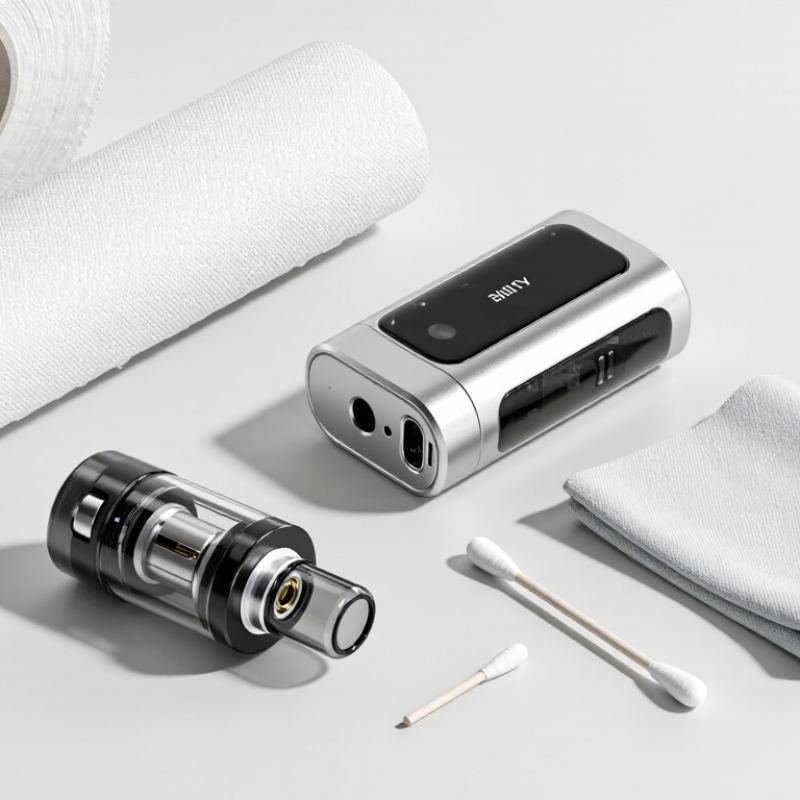
Top 10 Tips on How to Clean a Pod System Properly
Why Proper Pod System Cleaning Matters for Safety and Performance
A clean pod system is safer and more consistent during daily use. Residue can collect around the mouthpiece, airflow path, and electrical contacts. Moisture may also encourage corrosion or cause unreliable connections. Small details matter. Before cleaning, turn the device off and disconnect it from any charging cable. Never immerse the device in water, even briefly. Liquid inside the housing can damage the battery or electronic components.
Remove the pod according to the device instructions. Wipe its exterior with a dry, lint-free cloth. Use a dry cotton swab around the contact area. If residue is stubborn, lightly dampen the swab, then allow every surface to dry completely. Do not pour cleaning liquid into the pod or airflow opening. Check the seal, mouthpiece, and pod for cracks, leaks, or unusual discoloration. A damaged part should be replaced, not repaired with household materials. That mistake is easy to make.
Clean contacts can improve power delivery, airflow, and flavor clarity. They may also reduce intermittent firing and weak performance. Replace the pod or coil when it tastes burnt, leaks repeatedly, or produces noticeably less vapor. Follow the manufacturer’s care instructions, because designs differ. I have found that cleaning too aggressively can be counterproductive. Scratching contacts or forcing tools into narrow openings may create new problems. After cleaning, let the system air-dry fully before reconnecting the pod or charging it. Stop using the device if it becomes unusually hot, swollen, or damaged.
Regular cleaning helps reduce e-liquid residue, maintain consistent airflow, and keep electrical contacts dry and clean. The schedule below is a practical guideline: daily actions should be performed before or after regular use, while weekly actions are especially important for refillable pod systems.
Important: Use a dry swab for electrical contacts, never immerse the battery or powered device in water, and allow refillable pods to dry fully before refilling. Replace any pod or seal that is cracked, damaged, or leaking.
Before cleaning a pod system, prepare a clean, well-lit workspace. You need a soft microfiber cloth, lint-free paper towels, and several cotton swabs. A small glass or ceramic bowl can hold removable parts during cleaning. Avoid using rough tissues, because they may leave fibers inside the pod connection.
Keep clean water nearby for washable, non-electronic parts. Use a small amount of isopropyl alcohol only on a cotton swab for stubborn residue around metal contacts. Never pour liquid into the device. Do not soak the battery section or any sealed electronic component. A dry, soft toothbrush may help remove dust from narrow gaps, but use gentle pressure.
Set aside a dry tray for the pod, mouthpiece, and other removable pieces. Check the user manual before using water or alcohol, since materials differ between devices. Inspect everything under bright light. Look for sticky residue, damaged seals, loose contacts, or unusual discoloration. Replacement seals or a new pod may be safer than aggressive scrubbing. One detail is easy to miss: cotton swab fibers can remain behind. Check the contacts again before reassembly, and allow every part to dry completely. Impatience causes problems.
| No. | Cleaning Tip | Tools and Materials Needed | Recommended Method | Important Safety Note |
|---|---|---|---|---|
| 1 | Turn off and disconnect the device | Clean, dry work surface; small tray for loose parts | Switch off the device, disconnect it from charging, and remove the pod before cleaning. | Never clean an actively charging or powered device. |
| 2 | Prepare a lint-free cleaning cloth | Microfiber cloth or another lint-free cloth | Wipe the exterior, charging area, and mouthpiece housing to remove dust and e-liquid residue. | Avoid soaking the cloth; excess liquid can enter openings. |
| 3 | Use cotton swabs for narrow areas | Dry cotton swabs; wooden or plastic pick with a blunt tip if necessary | Gently clean contact points, seams, and small recesses without forcing debris deeper inside. | Do not use sharp metal objects or apply pressure to electrical contacts. |
| 4 | Clean the removable pod separately | Warm water; paper towel; small bowl | Empty the pod, rinse only the removable pod with warm water when appropriate, and let it air-dry completely. | Do not rinse the battery section or any integrated electronics. |
| 5 | Remove stubborn residue carefully | Small amount of isopropyl alcohol on a cotton swab; lint-free cloth | Apply a small amount to the cloth or swab, then wipe exterior residue and metal contacts carefully. | Keep alcohol away from plastic parts unless compatibility is known; allow all surfaces to dry fully. |
| 6 | Inspect the mouthpiece | Cotton swabs; warm water; clean paper towel | Remove buildup from the mouthpiece and dry it thoroughly before reassembly. | Do not share a mouthpiece, and replace it if it is cracked or cannot be cleaned properly. |
| 7 | Check the pod and seals for damage | Bright light; dry cloth; replacement pod or seal if required | Look for cracks, loose seals, persistent leaks, discoloration, or damaged connections. | Do not use a pod that leaks into the battery compartment or has visible structural damage. |
| 8 | Clean the charging port without liquids | Dry soft brush or air blower designed for electronics | Gently loosen dust from the charging port and remove it without inserting objects deeply. | Do not pour liquid into the port or use compressed air at excessive pressure. |
| 9 | Dry every part completely | Paper towels; lint-free cloth; ventilated, dust-free area | Place separated parts on a dry surface and allow them to air-dry before reassembly. | Do not use direct heat, a hair dryer, or an oven because heat can damage components. |
| 10 | Reassemble and test safely | Fully dried pod; clean device; fresh e-liquid if needed | Reassemble the system, check for leaks, and take a brief test draw only after confirming that all parts are dry and secure. | Stop using the device if it becomes unusually hot, leaks, smells burnt, or behaves irregularly. |
Disassemble a pod system only after it has cooled and been disconnected from power. Wash and dry your hands. Place the device on a clean, nonflammable surface, away from children and pets. Remove the pod gently, holding its sides rather than pulling the mouthpiece. Never force a stuck pod; a cracked tank can release liquid suddenly.
Empty refillable liquid into an absorbent paper towel, not a sink or drain. Keep the liquid away from skin and eyes, then seal the used towel in household waste according to local rules. Separate the mouthpiece, tank, and coil only when the device design allows it. Rinse washable parts with lukewarm water, but keep the battery section completely dry. A cotton swab can reach narrow contacts. Avoid knives, pins, and metal brushes.
Battery safety deserves attention. A U.S. Consumer Product Safety Commission review identified 2,035 reported electronic-cigarette fire or explosion incidents from 2009 through 2016. That figure does not prove cleaning caused those events, but it supports careful handling.
Do not charge a wet device. Stop using it if the battery area feels hot, swells, leaks, or smells unusual. Follow the manufacturer’s disposal guidance for damaged batteries.
I still find one step easy to overlook: checking the pod seal before reassembly. A loose seal can leak into the contact area. Leave every part fully dry overnight when possible.
Top 10 Tips on How to Clean a Pod System Properly
Cleaning a pod system starts with safety. Turn off the device and disconnect it from charging power. Remove the pod gently, then empty any remaining liquid into suitable household waste. Wipe the pod exterior with a dry, lint-free cloth. If the pod is refillable, rinse it only when its instructions permit. Use lukewarm water, never boiling water. Shake out the moisture and leave the pod upright overnight. A damp pod can cause weak performance.
The coil needs careful attention. Remove a replaceable coil and wipe its metal contacts with a clean cotton swab. Do not soak an integrated coil. Do not force water through it. Burnt taste, dark residue, leaking, or poor vapor usually means replacement is safer than cleaning. I once reused a tired coil too long, and the result tasted worse than expected. That was a useful reminder: cleaning cannot restore damaged material. Avoid sharp tools, household cleaners, and direct heat.
Tips: Clean the contacts weekly. Inspect the mouthpiece for buildup. Keep liquid away from the charging port. A lightly dampened swab can clean the device exterior, but moisture must never enter the housing. Let every part dry completely before reassembly. Check the pod seal for cracks or distortion. If the device becomes unusually hot, smells scorched, or shows visible damage, stop using it and follow the manufacturer’s safety guidance. Some cleaning steps depend on the pod design, so checking the manual is worth the extra minute.
A clean pod system starts with controlled drying, not aggressive scrubbing. Remove the pod, mouthpiece, and coil only if the manufacturer allows it. Empty leftover liquid into a sealed container; never rinse it into a sink. Wipe the pod with a lint-free cloth, then use a dry cotton swab around the contacts. Do not soak the battery section. Do not rush. A dry-looking pod can still hold moisture beneath its seal.
Leave washable parts upright on a clean towel for several hours. Overnight is safer when liquid entered the airflow channel. Avoid hair dryers, radiators, and direct sunlight, because heat may damage plastics, seals, or lithium-ion batteries. The U.S. Food and Drug Administration advises following device-specific instructions and stopping use when damage appears. This matters because the U.S. Fire Administration identifies overheating, damaged cells, and improper charging as key lithium-ion battery hazards. Inspect the charging port, too.
Reassemble only when every part feels completely dry. Press seals evenly, without forcing the pod into place. After assembly, check for leaks around the base and mouthpiece. Replace a cracked pod, burnt coil, swollen battery, or loose connector. The CDC’s 2023 National Youth Tobacco Survey recorded about 2.13 million U.S. middle and high school students using e-cigarettes, showing how widely these devices circulate and why routine maintenance deserves clearer attention. I still sometimes miss residue under the mouthpiece. That small oversight can affect taste, airflow, and cleanliness. Avaliable instructions should always take priority over generic cleaning advice.
Wait until it has cooled and is disconnected from power. Wash and dry your hands first. Do not rush.
Use a clean, nonflammable surface away from children and pets. Keep paper towels nearby for small spills.
Hold the pod by its sides and pull gently. Never force it or pull the mouthpiece. A cracked tank may release liquid suddenly.
Pour it onto an absorbent paper towel or into a sealed container. Keep it away from skin and eyes. Do not pour it into a sink.
Rinse washable parts with lukewarm water only when the design permits it. Keep the battery section completely dry. Use a cotton swab around narrow contacts.
Place washable parts upright on a clean towel for several hours. Overnight drying is safer after liquid enters the airflow channel. Avoid heaters, hair dryers, and direct sunlight.
Stop using the device if it becomes hot, swells, leaks, or smells unusual. Never charge a wet or damaged device. Follow local battery disposal rules.
Press the seals evenly without forcing the pod into place. Check the base and mouthpiece for leaks. I sometimes miss residue beneath the mouthpiece, so inspect that area twice.
Proper cleaning is essential for maintaining a pod system’s flavor, vapor quality, reliability, and user safety. This guide explains how to clean a pod system properly using simple supplies such as a soft cloth, cotton swabs, warm water, and paper towels. Before starting, turn off and disconnect the device, remove the pod, empty any remaining liquid, and carefully separate removable parts. Avoid forcing components or allowing water to enter the battery section.
The cleaning process includes rinsing the reusable pod when appropriate, wiping the mouthpiece and contacts, and gently removing residue from the coil area. Coils should be replaced when they are worn, burnt, or difficult to clean effectively. After cleaning, allow every washable part to dry completely before reassembling the system. Regularly checking for leaks, residue, damaged seals, or loose connections can help preserve performance. Safe storage, careful handling, and consistent maintenance will keep the pod system cleaner and more dependable over time.

Mist Vape