
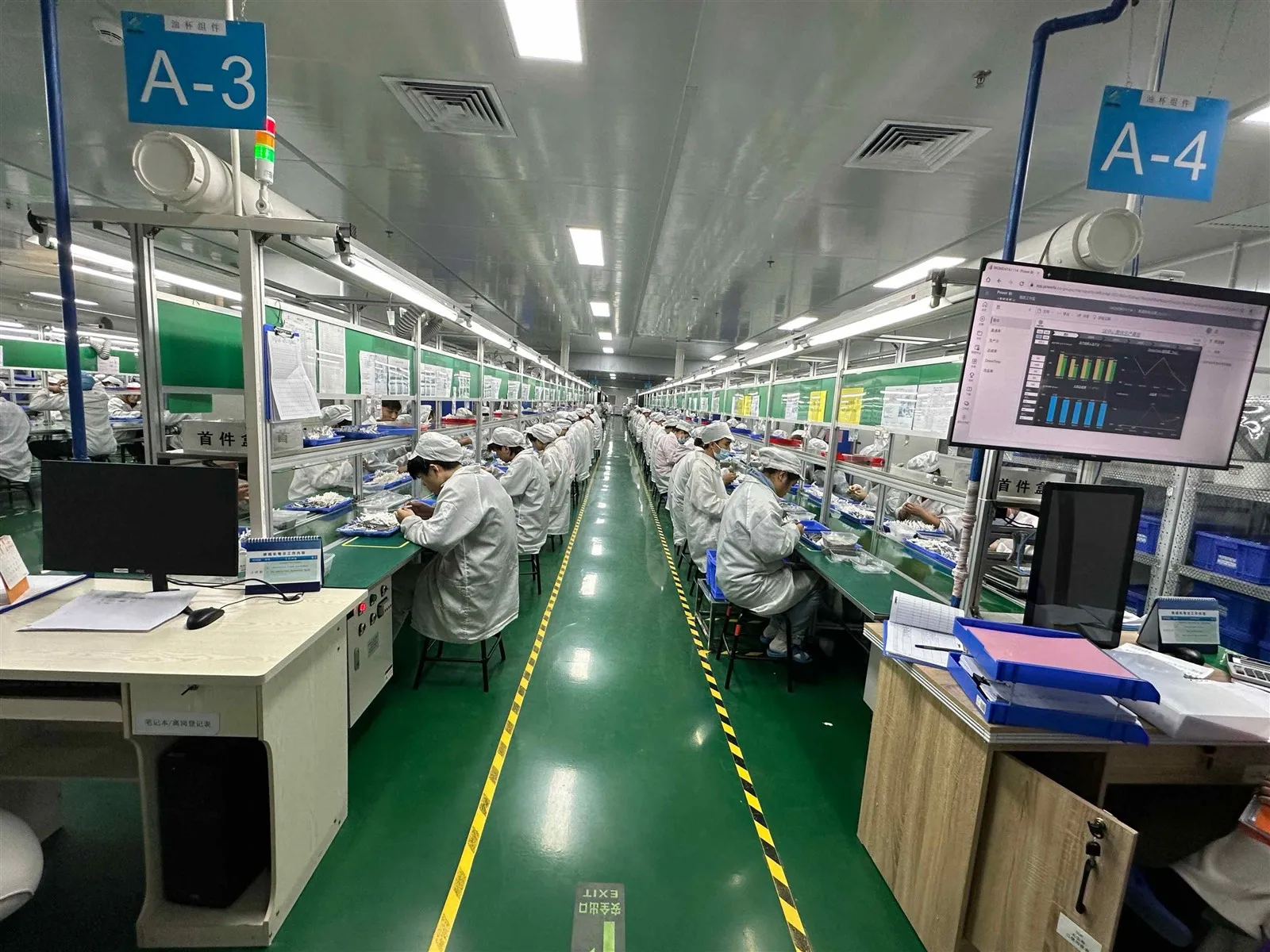
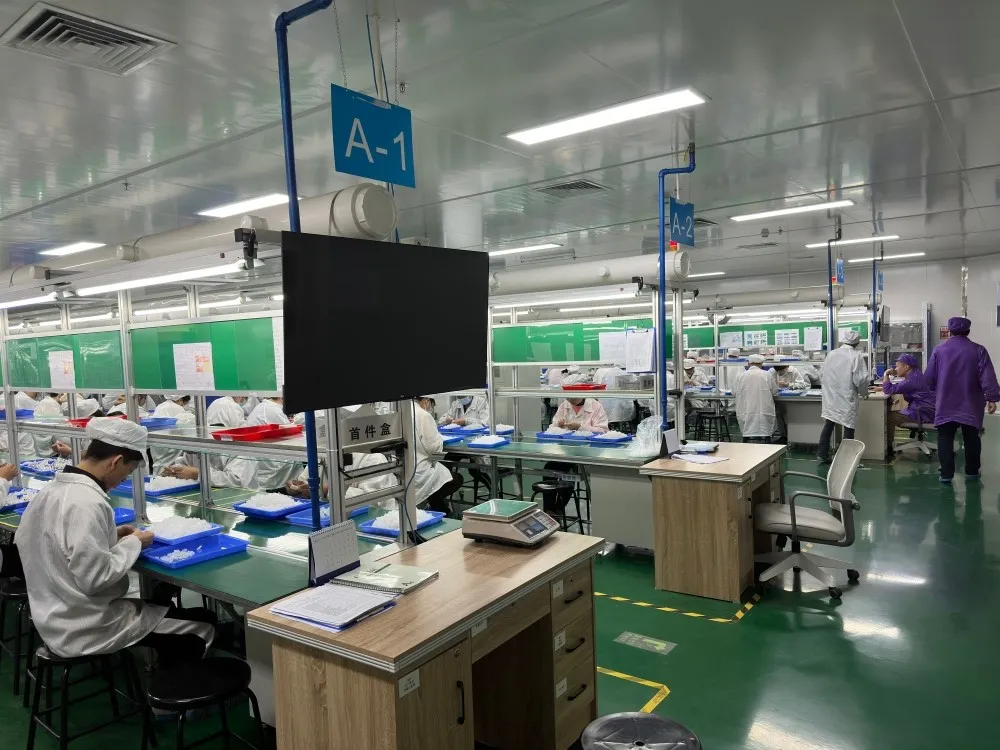
Shenzhen Mist Vape Co., Ltd. (ASMVAPE) is a global Top 3 high-end vape hardware manufacturer focused on CBD/THC, with years of deep expertise in product and technology fields. Since its establishment, ASMVAPE has served hundreds of cannabis manufacturing companies in the United States, Canada, and other regions, providing excellent equipment and services. Over the past 5 years since its founding, the company has secured over 200 globally authorized and pending patent technologies, with cumulative sales exceeding $90 million USD. The workforce has grown from an initial 120 employees to over 800, making it a highly capable, medium-sized company specializing in advanced vaporization platforms.
Our R&D team, partially composed of professionals from well-known industry companies such as SMOORE, ALD, and BBTANK, currently consists of more than 60 researchers involved in client projects, product development, testing, and more. Meanwhile, to better support our global clients, we operate a large product laboratory in California, where our engineers can be dispatched to customer sites at any time for hands-on technical guidance.
Honey oil, also known as hash oil or concentrated cannabis extract, features a highly viscous, terpene-rich chemical profile. Extracting and vaporizing this material presents serious hardware challenges that standard e-liquid hardware cannot resolve.
Standard wicking materials burn instantly when exposed to the high viscosity of authentic honey oil. Modern factories utilize cellular ceramic structures with specialized micro-pore distribution sizes ranging from 20μm to 80μm. This ensures consistent oil flow (wicking rate) without flooding or dry hits.
Safety compliance is paramount. Leading suppliers construct the central post and internal pathways with food-grade lead-free copper, medical-grade 316L stainless steel, or pure medical zirconia ceramic. This completely prevents heavy metal contamination in compliance with rigorous state and national tests.
Viscous honey oil expands and contracts under different ambient temperatures, creating massive leakage risks. Modern engineering incorporates multi-layer silicone seals (or VMQ grommets) strategically placed at the mouthpiece-tank interface and bottom airflow intake to isolate air from oil pathways.
Shenzhen, China, stands as the global epicenter of vape hardware manufacturing, accounting for over 90% of the world's production capacity. For global enterprises looking to purchase honey oil cartridges at scale, selecting a Chinese factory offers unparalleled advantages:
B2B buyers, multi-state operators (MSOs), and established brands require more than just low-cost hardware; they require comprehensive supply security, low defect rates, and customizable options.
Honey oil cartridges must be configured according to oil viscosity. High-terpene fractions might require 1.2mm to 1.5mm holes, while ultra-thick distillates demand 2.0mm or even larger oval apertures to ensure efficient feeding to the ceramic heating element.
B2B buyers look for custom surface treatments—such as laser engraving, anodized aluminum, wood-grain mouthpieces, custom glass prints, and bespoke matching packaging designs—to build premium retail shelf presence.
Sourcing partners must demonstrate stable manufacturing capabilities during seasonal demand spikes. This requires state-of-the-art facilities with production outputs exceeding several million units per month to ensure continuous brand operations.
One of the major pain points in international vape hardware procurement is the communication lag and geographical disconnect when technical issues arise in the field. Shenzhen Mist Vape Co., Ltd. (ASMVAPE) solves this industry challenge by deploying a dedicated California Product Laboratory.
This localized facility enables North American extraction brands to test their oils immediately with various cartridge configurations. If oil viscosity changes due to ambient conditions or seasonal crop variance, our domestic engineers can test and recalibrate heating curve configurations on-site. This eliminates weeks of mailing physical oils back and forth to China, drastically reducing time-to-market.
From a regulatory standpoint, hardware must conform to complex local laws, including:
To maximize oil capacity, enhance visual appeal, and prevent any contact between the oil and internal metal components, the industry is transitioning rapidly toward center-post-free designs. Heating elements are embedded at the bottom, offering pure ceramic-oil exposure.
Terpene degradation begins at high temperatures, producing harsh flavors and potential toxicants. Next-generation cartridges operate at lower power ranges (e.g., 1.8V to 2.4V) coupled with smart temp-control sensors to preserve the delicate aroma and flavor profiles of premium live resin honey oils.
With environmental concerns mounting over disposable single-use vape products, manufacturers are investing in biodegradable medical plastics, recyclable glass, and compostable component materials to reduce carbon footprints.
A premium cartridge must perform reliably in any environment, from icy high-altitude slopes to warm coastal zones.
Low temperatures increase oil viscosity, leading to dry hits. Integrating preheat-enabled hardware (or dual ceramic heating channels) ensures the honey oil liquefies near the ceramic core before inhalation.
Humid conditions can cause ambient moisture to seep into the airway. High-end cartridges incorporate water-vapor resistant airflow tracks to maintain crisp flavor notes without gurgling.
For brands distributing multi-pack products, zero-leakage storage over extended shelf lives (6+ months) is achieved via robust silicone sealing technology that prevents oxidation.




 Mist Vape