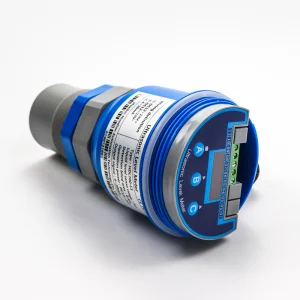
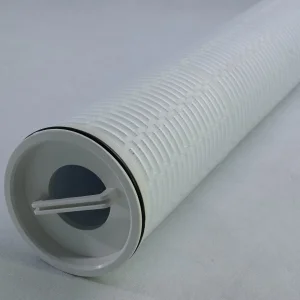
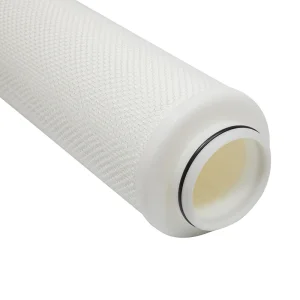
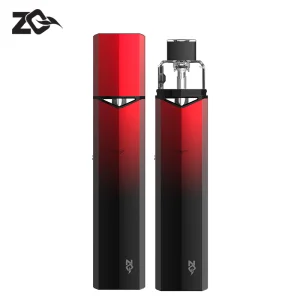
Explore our comprehensive lineup of hardware solutions engineered for precision performance, ranging from high-viscosity vaporizing components to specialized filtration systems designed for heavy-duty industrial and commercial operations.
In the rapidly evolving global cannabis concentrates market, solventless live rosin has emerged as the gold standard for purity, flavor, and consumer demand. Unlike hydrocarbon extracts (such as BHO/PHO) or CO2 distillates, solventless extraction relies solely on heat, ice water, and pressure. This gentle mechanical separation preserves the natural, volatile terpene profiles and cannabinoid configurations without introducing chemical solvents. However, from a hardware engineering perspective, formulating the perfect rosin vape cartridge poses substantial technical hurdles due to the high viscosity, fats, lipids, and heat sensitivity of solventless concentrates.
As leading global distributors and Multi-State Operators (MSOs) scale their product lines, selecting the right China-based OEM/ODM rosin cartridge hardware manufacturer becomes the most critical point in their supply chain. Standard 510-threaded cartridges designed for thin distillates fall short when handling rosin, resulting in clogs, burnt flavors, and terpene degradation. This comprehensive whitepaper explores the macro solutions, structural innovations, global supply chain dynamics, and regulatory compliance metrics defining modern rosin cartridge manufacturing.
The global market for premium vaporization hardware has shifted from low-cost, disposable plastics toward heavy-metal-free, medical-grade components. The primary driver is consumer safety, matched with a rising demand for an uncompromised flavor profile. In regions like North America (comprising major state markets in the US and provincial markets in Canada) and parts of Europe, regulatory frameworks dictate strict limits on heavy metals (specifically lead, arsenic, cadmium, and mercury). This regulatory pressure has forced hardware manufacturers to adopt advanced materials like zirconium ceramics, borosilicate glass, and medical-grade 316L stainless steel.
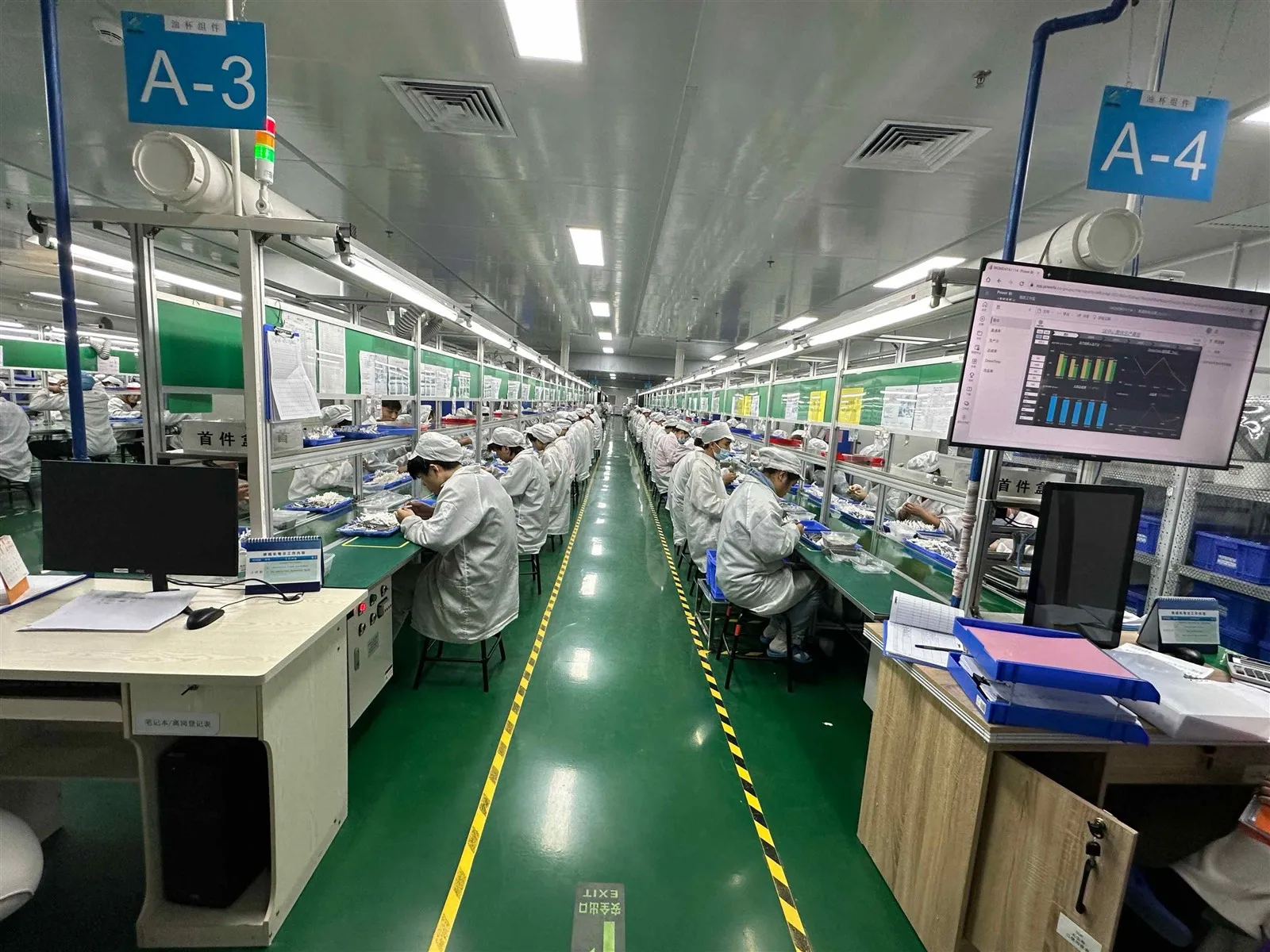
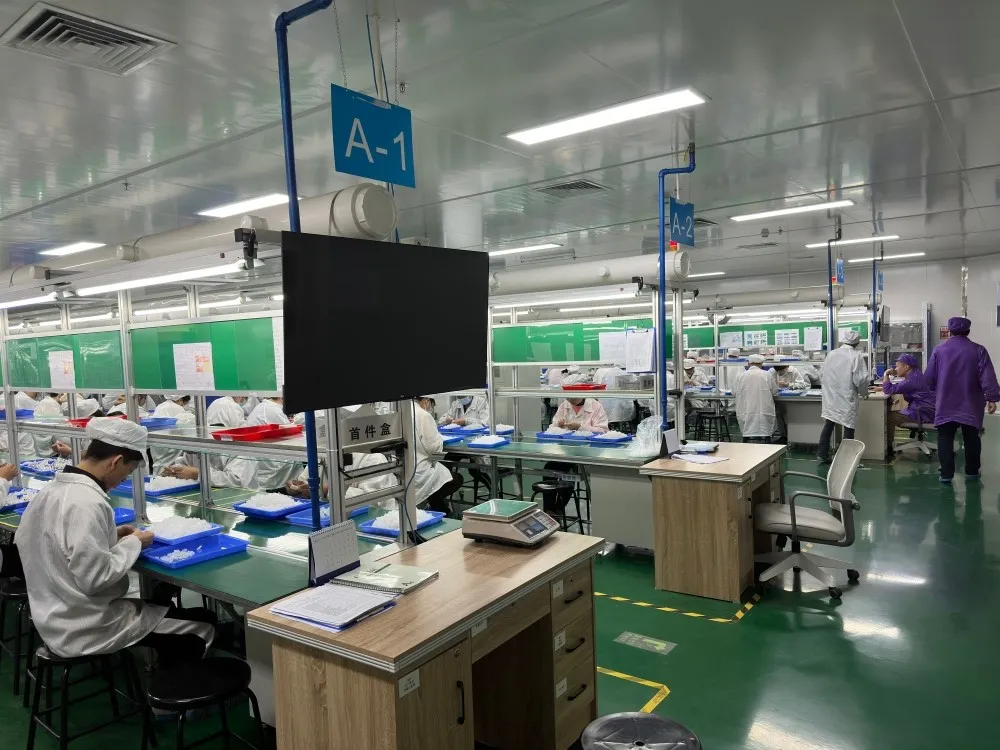
Industrially, the production of rosin hardware has evolved from standard automated vape manufacturing lines to cleanroom environments operating under GMP (Good Manufacturing Practices) guidelines. Top-tier Chinese manufacturers now employ robotic assembly, automated resistance testing, and laser welding to guarantee failure rates below 0.03%. This industrialization is crucial for high-volume brands that cannot afford product leakage, cartridge failures, or customer returns.
At the forefront of this industrial shift stands Shenzhen Mist Vape Co., Ltd. (branded as ASMVAPE), a global Top 3 high-end vape hardware manufacturer focused specifically on CBD, THC, and solventless rosin applications. Drawing on years of deep expertise in thermal dynamics and fluid mechanics, ASMVAPE has designed some of the most reliable vaporization hardware on the market today.
Since its establishment, ASMVAPE has served hundreds of licensed cannabis producers, extractors, and multi-state brands in the United States, Canada, and other regulated international regions. Over the past 5 years, the company has secured over 200 globally authorized and pending patent technologies. This rapid expansion is backed by cumulative sales exceeding $90 million USD, demonstrating strong market validation and customer trust.
The workforce at ASMVAPE has grown from an initial 120 employees to a robust team of over 800 skilled professionals, operating advanced automated assembly and QC lines.
ASMVAPE's competitive advantage lies within its specialized R&D team. Consisting of more than 60 researchers, product developers, and testing engineers, the department is partially composed of industry veterans recruited from well-known vapor tech conglomerates such as SMOORE, ALD, and BBTANK.
To bridge the gap between hardware manufacturing and oil formulations, ASMVAPE operates a state-of-the-art product testing laboratory in California. This local hub allows US and Canadian clients to ship terpene formulations directly for viscosity pairing, dynamic resistance tuning, and airflow optimization. Additionally, ASMVAPE engineers can be dispatched to customer extraction sites for hands-on technical integration.
Vaporizing solventless rosin requires a complete redesign of the thermal engine. Rosin is typically rich in natural plant fats, waxes, and highly volatile terpenes (such as limonene, myrcene, and beta-caryophyllene) that boil at low temperatures. If the heating element runs too hot, these terpenes burn, creating a harsh taste and destroying the medical profile of the vapor. Conversely, if the element is too cold, the high viscosity prevents the oil from feeding into the heating block, leading to dry hits.
Controlling the exact pore size (typically between 30% to 50% porosity) inside the ceramic block ensures constant wicking of thick rosin without leakage or clogging.
Custom-engineered oil intake holes (ranging from 1.5mm to 2.2mm) are paired with the specific viscosity profile of the customer's rosin extract.
Developing low-resistance heating coils (1.2 Ohm to 1.5 Ohm) that match 2.4V to 2.8V batteries, protecting terpenes from high thermal stress.
Additionally, ASMVAPE addresses the industry-wide problem of "last-drop retention" (leftover rosin trapped inside the cartridge) by utilizing custom-molded, sloping-bottom ceramic reservoirs. This ensures that customers can consume the entirety of their premium concentrate, maximizing consumer satisfaction and product ROI.
Deploying vape hardware across international borders requires rigorous legal compliance. The US FDA, California Cannabis Track-and-Trace (METRC), Health Canada, and European Union agencies maintain strict rules regarding the materials utilized in inhalable devices. The risk of heavy metal leaching into acidic concentrates over time is a serious concern for brand owners.
ASMVAPE mitigates this risk by providing batch-specific heavy metal test reports from accredited third-party laboratories (such as SGS and Eurofins). All hardware utilizes lead-free brass or medical-grade food-safe ceramics, preventing contamination. By running local technical teams and engineering staff out of their California lab, ASMVAPE can work face-to-face with brand clients, assisting with hardware compliance certifications, custom oil filling parameters, and capping machine calibration. This localized feedback loop reduces product launch cycles from months to days.
The future of rosin cartridge hardware lies in smart customization and eco-friendly design. As global plastic-reduction initiatives grow, manufacturers must adapt. The industry is currently exploring the integration of biodegradable mouthpieces and outer casing structures, alongside easily recyclable medical alloys.
On the electronic front, the transition to intelligent vaporization platforms is already underway. Next-generation systems feature microchip controllers embedded inside the battery connections. These chips automatically detect the viscosity and type of cartridge attached, adjusting the voltage curve dynamically to match the optimal vaporization temperature of the specific rosin profile. This technology eliminates burnt cartridges caused by consumers using incorrect voltage settings, standardizing the vaping experience regardless of individual user expertise.
Browse our global distribution portfolio of industrial parts, advanced multi-use electronic devices, medical apparatus components, and premium vaporization systems engineered under strict compliance protocols.
 Mist Vape