Explore our curated selection of verified micro-electronics, vaporizers, and automated production machinery.
Navigating European Conformity (CE) requirements, electrical safety profiles, and import compliance for high-end battery systems.
Electromagnetic compatibility (EMC) of multimedia equipment. Ensures the internal microcontrollers and charging circuits do not emit disruptive radio frequency signals.
The Low Voltage Directive. Applies to vaporizers operating within specific voltage ranges, ensuring physical safety, short-circuit insulation, and overcurrent protections.
Restriction of Hazardous Substances. Validates that the solder joints, battery cells, copper leads, and outer casing are free from toxic heavy metals such as lead, cadmium, and mercury.
A data-driven breakdown of charging interface protocols, manufacturing costs, and thermal behavior in vape battery design.
| Parameter / Feature | Micro USB Interface (5-Pin) | USB-C Interface (24-Pin) | Procurement Recommendation |
|---|---|---|---|
| Manufacturing Cost per Unit | $0.08 - $0.15 (Highly cost-efficient) | $0.25 - $0.45 (Higher overhead) | Micro USB is ideal for high-volume disposables/510 cartridges. |
| Charging Voltage & Current | 5V / 0.5A - 1A (Standard speed) | 5V - 20V / Up to 3A (Fast charging) | Micro USB limits heat build-up in small lithium-ion cells. |
| Interface Lifespan | Approx. 10,000 cycles | Approx. 10,000 cycles | Comparable physical durability under typical user scenarios. |
| Thermal Signature (Charging) | Low-moderate (Easier to manage heat dissipation) | High (Requires robust thermal management ICs) | Micro USB minimizes thermal stress on localized battery polymers. |
Verifiable industrial metrics, international patents, and world-class laboratory testing parameters.
Shenzhen Mist Vape Co., Ltd. is a global Top 3 high-end vape hardware manufacturer focused on CBD/THC, with years of deep expertise in product and technology fields. Since its establishment, ASMVAPE has served hundreds of cannabis manufacturing companies in the United States, Canada, and other regions, providing excellent equipment and services. Over the past 5 years since its founding, the company has secured over 200 globally authorized and pending patent technologies, with cumulative sales exceeding $90 million USD. The workforce has grown from an initial 120 employees to over 800, making it a medium-sized company.
Our R&D team, partially composed of professionals from well-known industry companies such as SMOOER, ALD, and BBTANK, currently consists of more than 60 researchers involved in client projects, product development, testing, and more. Meanwhile, to better support our global clients, we operate a large product laboratory in California, where our engineers can be dispatched to customer sites at any time for hands-on technical guidance.
Shenzhen Mist Vape Co., Ltd. adheres to the core philosophy of quality optimization, prioritizing product quality and health services to meet customers' demands for high-quality atomizers.
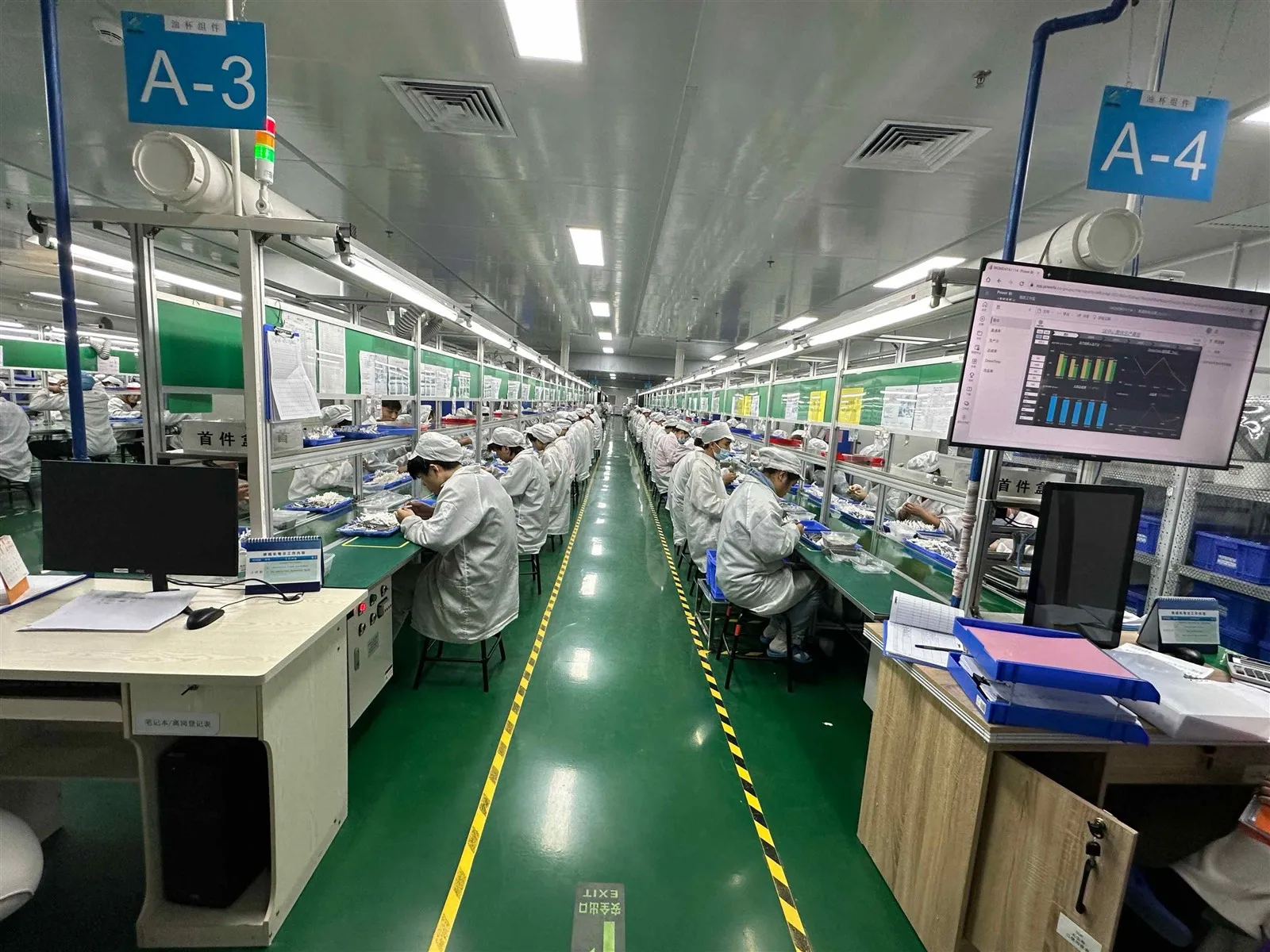
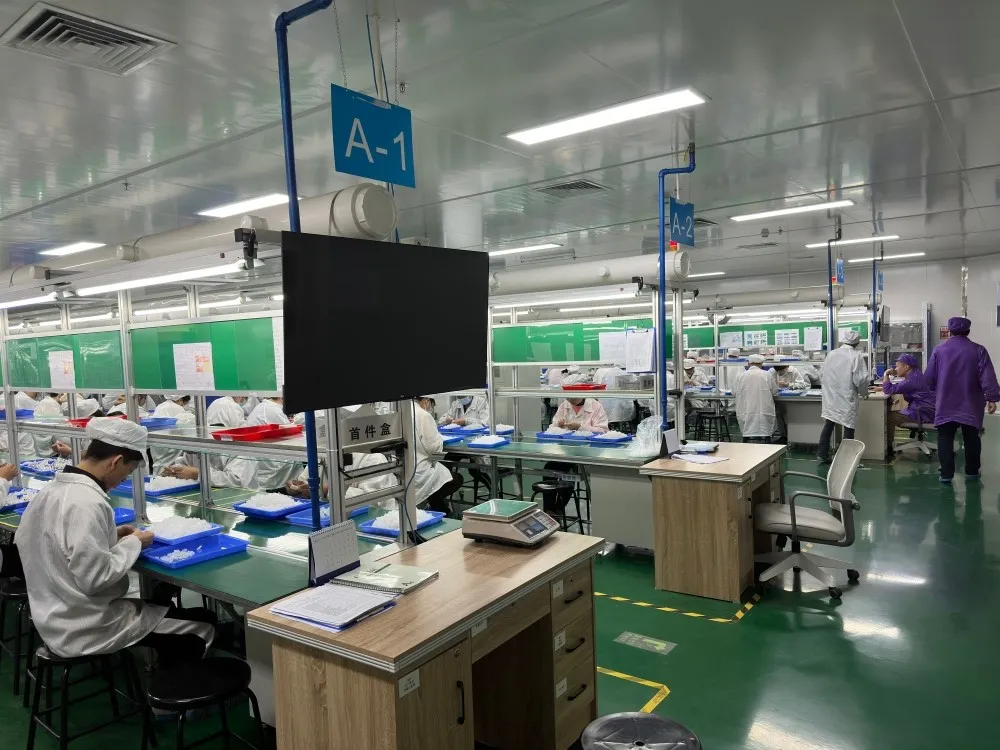
Each batch of CE Certified Micro USB Vape Batteries manufactured at our Shenzhen facility undergoes a strict series of checks. This includes high-altitude simulation pressure tests, thermal abuse tests (evaluating battery behavior up to 130°C), heavy mechanical drop testing, vibration testing, and precise multi-meter voltage fluctuations validation.
By operating state-of-the-art automated testing facilities in both Shenzhen and our California validation lab, we ensure that our hardware operates consistently under diverse ambient temperatures, elevation pressures, and usage patterns.
Analysing market penetration, consumer behaviors, and strict regional import regulations across international borders.
In the USA and Canada, hardware requires UL 8139 certification, alongside FCC testing for electromagnetic emissions. Compliance checks focus heavily on fire safety risks associated with lithium batteries and battery charger system compliance.
Vaporizers and integrated batteries must satisfy TPD (Tobacco Products Directive) declarations, CE markings, and RoHS regulations. Batteries must utilize high-grade casing materials to prevent leakage under high temperatures or sudden pressure shifts.
Markets are introducing strict localized certifications (such as NOM in Mexico or SNI in Indonesia). Utilizing CE certified designs simplifies local filings, lowering barriers to entry in these growing regions.
From initial component configuration to high-volume custom packaging: Our end-to-end industrial manufacturing suite.
We engineer customized printed circuit boards (PCBs) that match specific coil resistances. Whether using ceramic heaters or mesh coils, our battery chips calibrate power outputs to prevent dry hits and preserve flavor profiles.
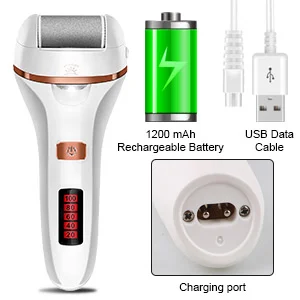
Our batteries feature premium protection chips that monitor voltage drops. If internal temperatures rise during a Micro USB charge cycle, the system shuts down, eliminating the risk of thermal runaway.
In line with global environmental initiatives, our batteries utilize recyclable lithium polymers and comply with the EU WEEE (Waste Electrical and Electronic Equipment) directive.
Clear, expert answers to common queries regarding certifications, manufacturing capacities, and shipping processes.
From consumer electronics to manufacturing gear, we support global distribution needs with high-quality components.
 Mist Vape