Explore our curated global B2B product portfolio. High-precision manufacturing, industrial safety equipment, and medical devices built to global compliance standards.

As a global Top 3 high-end vape hardware manufacturer focused on complex CBD, THC, and customized terpene-infused formulations, Shenzhen Mist Vape Co., Ltd. (ASMVAPE) is a pioneer in thermodynamic atomization technologies. Over the past 5 years, the organization has scaled from an agile lab of 120 innovators to an industrial powerhouse of over 800 employees, generating a cumulative sales revenue exceeding $90 million USD.
Our competitive advantage rests on our core research engine. The R&D division includes over 60 dedicated engineers, drawn from industry landmarks like SMOORE, ALD, and BBTANK. To guarantee zero-friction localization and hand-in-hand technical validation, we operate a large-scale product laboratory in California, USA. Our US-based engineering team can deploy directly to customer extraction facilities for physical viscosity testing and technical alignment.
"We don't just supply vape hardware; we engineer biological-terpene delivery systems. By preserving structural organic compounds during heating, we deliver true-to-strain efficacy."
Terpenes are highly volatile, light-oxygen-sensitive organic compounds. Traditional high-temp atomizers burn these compounds, transforming sweet profiles into harmful carbonyls. Our scientific focus centers on keeping terpenes intact.
Terpenes act as natural solvents, lowering the viscosity of distillate oils. If hardware is uncalibrated, this causes leakage and bubbling. Our hardware features micro-adjusted porous ceramic cores, tailored to distillate-to-terpene ratios (5% to 15%).
Monoterpenes (like Limonene and Myrcene) boil at 166-176°C, while Cannabinoids require over 185°C. Our intelligent heating profiles use a dual-stage ramp, vaporizing the terpene-distillate matrix without overheating.
Highly concentrated terpene formulations can corrode low-grade plastics, releasing microplastics or heavy metals. We resolve this by using medical-grade borosilicate glass, SUS316L stainless steel, and zero-glue connections.
| Terpene Component | Boiling Point (°C) | Standard Ceramic Core Risk | Mist Vape Core Solution |
|---|---|---|---|
| d-Limonene | 176°C | Flavor distortion & scorching | Distributed surface heating matrix (Low-temperature curve) |
| beta-Myrcene | 168°C | Early evaporation, causing dry hits | Sealed capillary channel system with oil-isolation design |
| Linalool | 198°C | High vaporization resistance, heavy throat-hit | Uniform porosity (55% absorption rate) for balanced draw resistance |
| beta-Caryophyllene | 268°C | Requires higher heat, risks thermal degradation | TCR-stabilized heater trace, preventing localized hot spots |
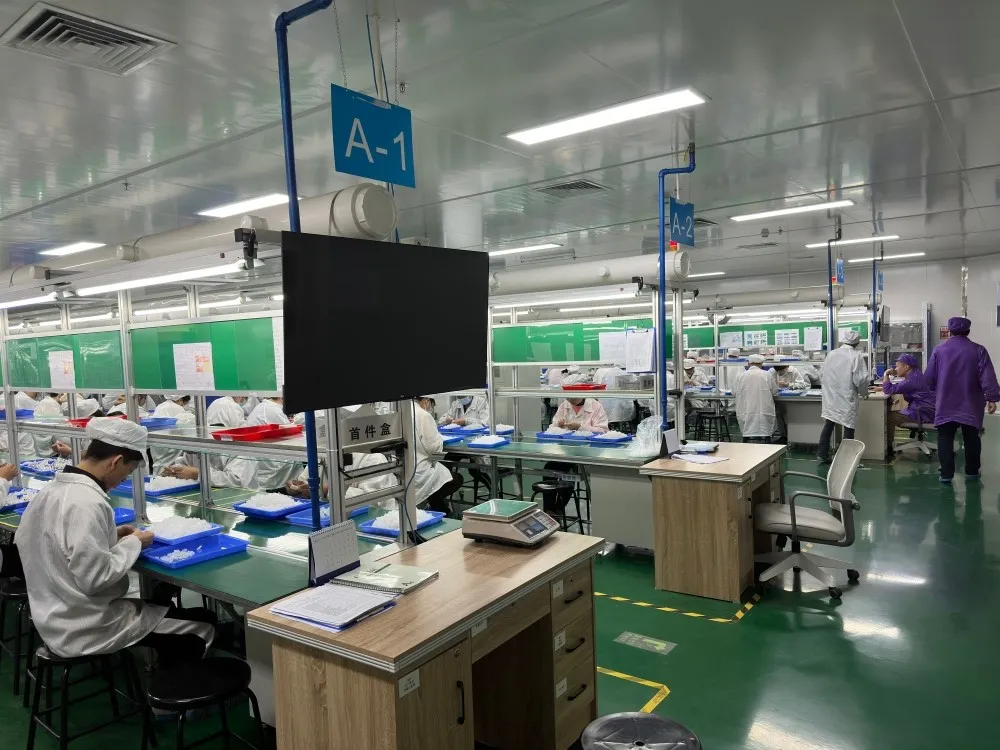
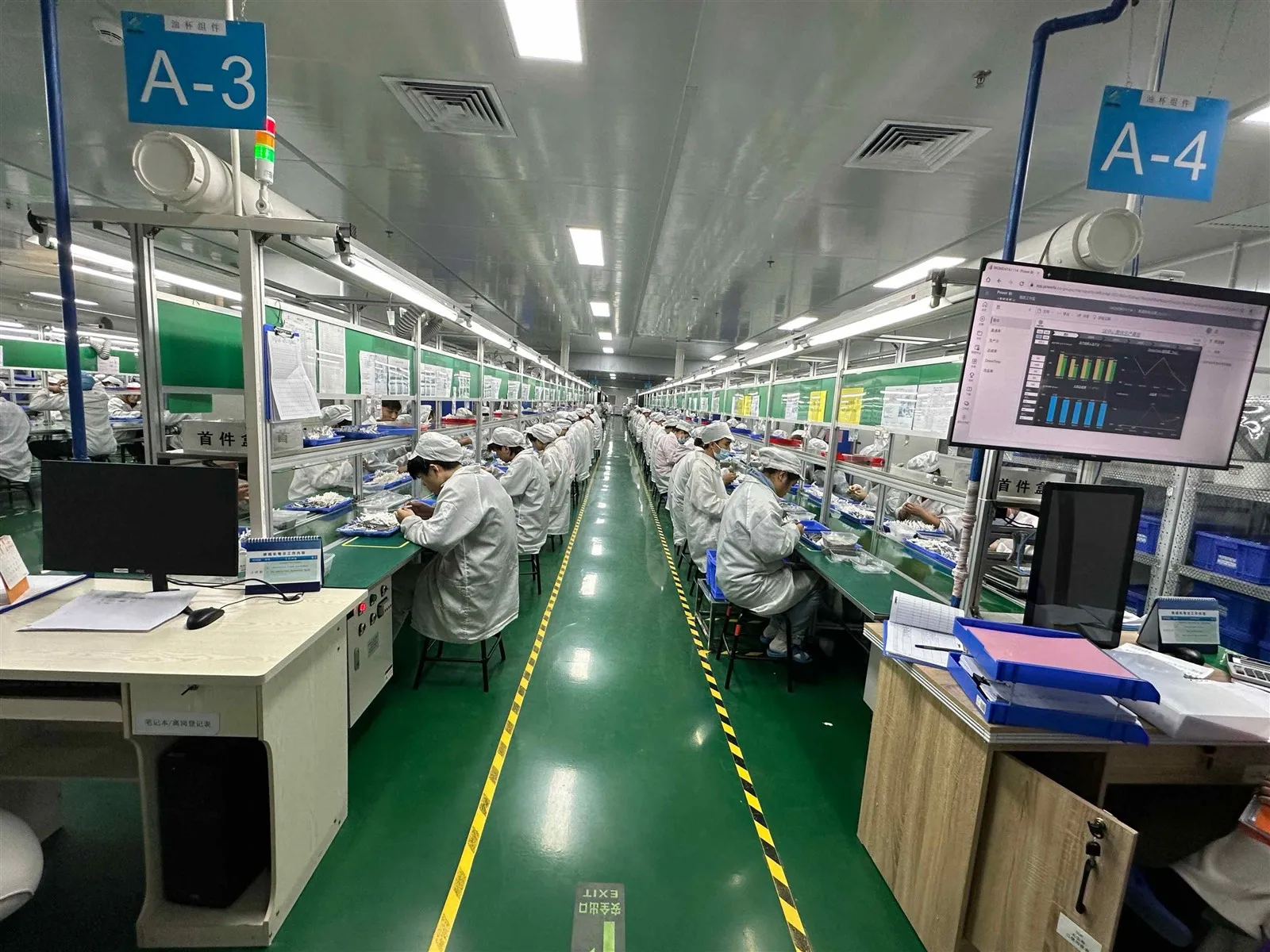
Shenzhen represents the global heart of atomization technology, housing over 90% of the world's vape manufacturing capacity. Shenzhen Mist Vape Co., Ltd. channels this geographic advantage to deliver raw manufacturing efficiency combined with rigorous quality control.
Our component integration strategy is vertically integrated. We source raw materials directly within a 15-mile radius—including high-density ceramic elements, pure borosilicate shells, and advanced alloy components. This tight integration keeps lead times to just 12–15 days for large-scale ODM production cycles, compared to the industry standard of 30+ days.
Furthermore, our engineering teams are continually cross-trained alongside specialists from leading operations (such as SMOORE and ALD). This ensures our quality control standards match medical device frameworks. Each production run undergoes testing for heavy metal migration, mechanical pull force, and thermal cycle stress before dispatch to North American and European ports.
For B2B brands, hardware reliability directly impacts brand reputation. Our customization workflow is engineered to translate your extract's chemical profile into optimized physical hardware.
We analyze your extract's chemical profile (viscosity, concentration, terpene ratio) to determine the ideal ceramic pore size, ranging from 0.8μm to 1.5μm.
Select your hardware format (all-in-one disposables, 510-thread cartridges, or proprietary pod systems) and define your desired shell materials.
Our California laboratory conducts local hardware testing and optimization to verify terpene retention and heavy metal compliance.
Production is completed in our ISO-certified cleanrooms, followed by 100% automated pressure and functionality testing before shipping.
Vape hardware is subject to strict public health and safety regulations worldwide. We maintain up-to-date compliance records to help your brand clear customs and meet local standards smoothly.
All hardware intended for the US and Canadian markets complies with heavy metal restrictions, such as California’s Proposition 65. Our raw materials—including borosilicate glass and ceramic heating elements—receive regular, independent certification to verify they are free of lead (Pb), cadmium (Cd), arsenic (As), and mercury (Hg). Additionally, we provide PMTA-ready documentation for nicotine-based applications.
For European markets, our hardware meets TPD emission standards and CE electrical safety requirements. The materials we use comply with RoHS directive limits to ensure safe consumer use. We assist partners throughout the registration process, providing full raw material declarations and emission test reports to simplify local compliance filings.
Different formulation strategies require hardware tailored to their physical and chemical behaviors. Here is how our engineering accommodates diverse product types:
High-terpene liquid extracts are prone to leaking in standard hardware. We utilize smaller intake holes (0.9mm to 1.2mm) and lower-temperature, pulse-width modulation (PWM) heating to preserve volatile aromatics.
Highly viscous distillates with added botanical terpenes require efficient oil transport. We utilize our standard 55% porosity ceramic cores to maintain high absorption rates, ensuring consistent vapor and preventing dry hits.
CBD formulations can crystalize when exposed to cold or sitting idle. Our hardware features an integrated pre-heating system that gently warms the ceramic core to dissolve crystals before use.
The next generation of vaporizers focuses on environmental sustainability, material purity, and intelligent control. Here are the key developments we are currently engineering:
To address the environmental footprint of disposable hardware, we are testing biodegradable exterior housings made from PLA and hemp composites, reducing plastic waste while preserving structural durability.
Future hardware designs integrate smart chips that adjust voltage output based on the ceramic coil's real-time electrical resistance, preventing burnt tastes and preserving flavor profiles.
By removing the central metal post from the oil chamber, we eliminate direct contact between the liquid extract and metal surfaces, reducing heavy metal risks and providing clean product visibility.
Key answers to technical, regulatory, and shipping questions commonly asked by our partners' procurement and engineering teams.
Additional components and specialized industrial machinery available for wholesale and international procurement.

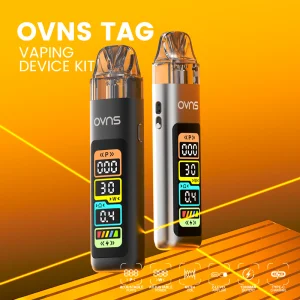
 Mist Vape